7778 Vance Dr. Arvada, CO 80003
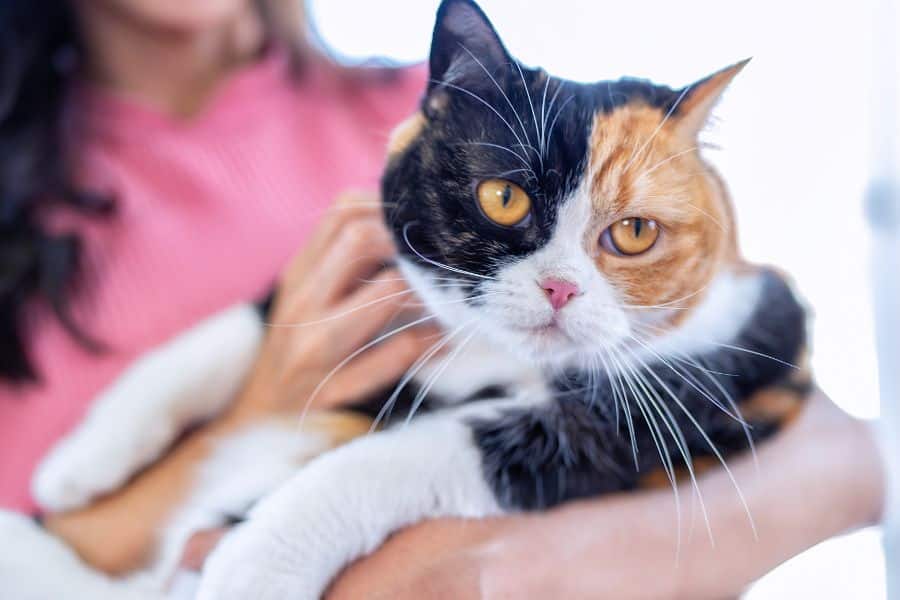
Your pet cannot tell you when something feels off. They cannot describe a dull ache, mention that their appetite has shifted, or explain that they have been feeling more tired than usual. By the time most pet owners notice something is wrong, the condition has often been progressing quietly for weeks or even months. This is exactly why routine vet care is not just a formality. It is one of the most powerful tools available for protecting your pet’s health. At Indian Tree Animal Hospital, our veterinarians in Arvada use comprehensive wellness exams to catch what the untrained eye simply cannot see.
The Silent Nature of Pet Illness
Animals are instinctively wired to mask pain and weakness. This survival behavior, inherited from their wild ancestors, means that by the time a dog or cat shows obvious signs of illness, the condition is often already advanced. Common diseases like kidney disease, heart disease, diabetes, and certain cancers can be present for a long time before a pet owner notices any outward change.
This is not a failure on the owner’s part. It is simply the nature of how pets experience and express illness. The importance of preventative care lies precisely here: regular veterinary visits create a consistent health record that allows vets to detect subtle shifts that would otherwise go unnoticed until they become emergencies.
What Veterinarians Look for During a Wellness Exam
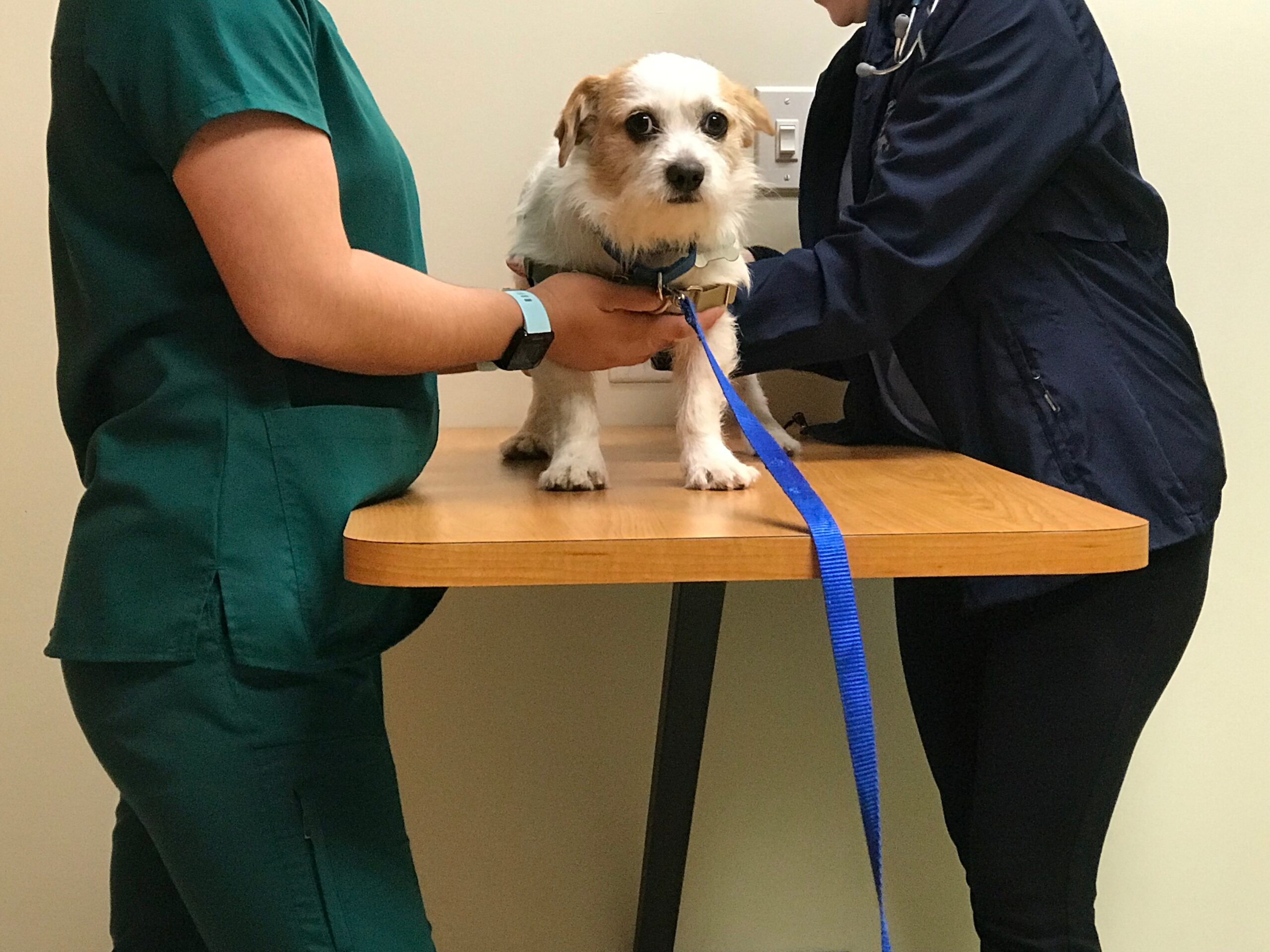
A routine wellness exam covers far more ground than most pet owners realize. To the outside observer, it may look like a basic checkup. In practice, veterinarians are conducting a thorough, systematic evaluation of your pet’s body from nose to tail.
Here is what a comprehensive exam typically includes:
Physical Assessment
- Lymph node palpation to check for swelling or irregularities that may signal infection or cancer
- Heart and lung auscultation to detect murmurs, arrhythmias, or abnormal breath sounds before they cause symptoms
- Abdominal palpation to identify organ enlargement, unusual masses, or tenderness
- Eye and ear examination to catch early signs of infection, pressure changes, or neurological issues
- Dental and oral evaluation to assess gum disease, tooth resorption, or oral masses
- Skin and coat assessment to identify lumps, parasites, or changes in texture that may reflect internal conditions
- Weight and body condition scoring to identify subtle loss or gain that may indicate metabolic or systemic disease
Baseline Diagnostic Testing
- Blood panel to evaluate organ function, red and white blood cell counts, and blood sugar levels
- Urinalysis to detect kidney stress, infection, or early diabetes before symptoms emerge
- Fecal testing for intestinal parasites that may be affecting nutrient absorption silently
- Heartworm and tick-borne disease screening, especially important in areas like Arvada where outdoor activity is common
Each of these components gives veterinarians a data point. And when that data is collected consistently over time, even small deviations from a pet’s individual baseline become visible and meaningful.
Conditions Caught Early Through Routine Vet Care
The difference between early detection and late diagnosis can be significant, both in terms of treatment complexity and cost. Here are some of the most common conditions that veterinarians identify before obvious symptoms appear:
Kidney Disease One of the most common conditions in older cats and dogs, kidney disease often presents no visible symptoms until 70 percent or more of kidney function is already lost. Routine blood and urine panels can detect early markers of kidney stress years before a pet becomes visibly ill, allowing for dietary and medical intervention that meaningfully slows progression.
Heart Disease Heart murmurs are frequently detected through stethoscope examination long before a pet shows signs of exercise intolerance, coughing, or labored breathing. Early identification allows for monitoring, medication timing, and lifestyle adjustments that can extend quality of life considerably.
Dental Disease Studies suggest that the majority of pets over age three have some form of dental disease, yet most pets show no obvious discomfort. Veterinarians can identify early periodontal disease, tooth root infections, and oral masses during routine exams, preventing the pain and systemic effects that come with advanced dental conditions.
Diabetes Elevated blood glucose and changes in urine concentration can be detected through routine diagnostics before a pet begins showing classic signs like excessive thirst, frequent urination, or weight loss. Early management through diet and medication leads to significantly better outcomes.
Cancer Not all cancers are visible or palpable by owners, but a veterinarian conducting a thorough physical exam may detect lumps, lymph node changes, or internal irregularities that warrant further investigation. Early staging and treatment dramatically improve prognosis for many types of cancer in pets.
Thyroid Disease Hyperthyroidism in cats and hypothyroidism in dogs are both detectable through blood testing before behavioral and physical changes become pronounced. Left undetected, both conditions affect multiple organ systems and are significantly harder to manage in advanced stages.
How Often Should Your Pet See a Veterinarian?
The right frequency depends on your pet’s age, species, and individual health history. Here is a general guideline that most vets recommend:
- Puppies and kittens: Every 3 to 4 weeks until 16 weeks of age for vaccines and developmental monitoring
- Adult pets (1 to 7 years): At least once annually for a full wellness exam and diagnostics
- Senior pets (7 years and older): Every 6 months, since age-related conditions can progress quickly and early intervention matters more with advancing age
- Pets with chronic conditions: As often as your veterinarian recommends, which may be every 3 to 4 months
Staying on schedule is one of the simplest and most effective things you can do as a pet owner. Skipping even one or two annual exams can mean missing a year or two of critical health data in an animal whose lifespan is already compressed relative to ours.
Conclusion: Prevention Is Always Better Than Treatment
Preventative vet care is not about assuming the worst. It is about giving your pet the best possible chance at a long, comfortable, and healthy life. The conditions that veterinarians catch early are almost always easier to treat, less expensive to manage, and less disruptive to your pet’s quality of life than those caught late.
At Indian Tree Animal Hospital in Arvada, our veterinarians are dedicated to being your partner in proactive pet health. Whether it is a routine wellness exam, diagnostic bloodwork, or a conversation about your pet’s changing needs, we are here to help you stay ahead of what you cannot yet see. Book your pet’s wellness appointment today and give them the kind of care that makes a real difference.
At Indian Tree Animal Hospital in Arvada, we believe the importance of preventative care is something every pet owner deserves to understand clearly. Schedule your pet’s visit today and give your pet the care they deserve.
Frequently Asked Questions
Q1. What can veterinarians detect in a routine exam that owners might miss at home?
Veterinarians are trained to detect subtle physical changes including heart murmurs, abdominal organ irregularities, early dental disease, lymph node swelling, and weight fluctuations that may not be visible to even the most attentive owner. Combined with diagnostic bloodwork and urinalysis, a routine exam gives a detailed picture of internal health that a visual assessment at home simply cannot provide.
Q2. Why is preventative vet care important even when my pet seems healthy?
The importance of preventative care is rooted in the fact that many serious conditions, including kidney disease, diabetes, and cancer, develop silently and show no obvious symptoms until they are advanced. Regular exams create a health baseline for your pet so that deviations can be caught and addressed early, when outcomes are most favorable.
Q3. How do veterinarians in Arvada tailor wellness exams to different pets?
Veterinarians at Indian Tree Animal Hospital consider each pet’s species, age, breed, lifestyle, and previous health history when designing a wellness plan. Outdoor pets in Arvada may need additional parasite and tick-borne disease screening, while senior pets receive more frequent diagnostics and organ function monitoring suited to their age-related risks.
Q4. At what age should pets start getting regular wellness exams?
Wellness care begins at the very first visit, typically when a puppy or kitten is around six to eight weeks old. From that point forward, consistent scheduling ensures that every stage of your pet’s life is monitored appropriately, from the high-growth puppy and kitten phase through adulthood and into the senior years.
Q5. What is the difference between a sick visit and a wellness exam?
A sick visit addresses a specific concern or symptom your pet is already showing. A wellness exam is a proactive, comprehensive evaluation conducted when your pet appears healthy. The goal of a wellness exam is to identify problems before symptoms appear, which is why it cannot be replaced by waiting until something seems wrong.