
7778 Vance Dr. Arvada, CO 80003
Senior Pet Services
A thorough physical examination performed one to two times annually can check for signs of weight loss, heart, lung and dental disease, cataracts, glaucoma, arthritis and cancer. Lab tests, such as a complete blood count can help identify certain infections, anemia, certain types of cancer, bleeding disorders, and immune disease. A serum chemistry profile can identify internal diseases of the liver, kidneys, and endocrine disorders such as diabetes and hyperthyroidism. Some types of cancer can also be detected.
A complete urinalysis will test for kidney disease, diabetes, urinary tract infections and bladder stones, and urinary tract cancer. Another useful test, called a fecal exam, checks for internal parasites and intestinal bacterial overgrowth. Additional tests such as radiographs, electrocardiography (ECG), ultrasound/imaging and thyroid testing may also be recommended. A senior program offers significant health benefits! Ask us about how we can help your pet live a longer healthier life!
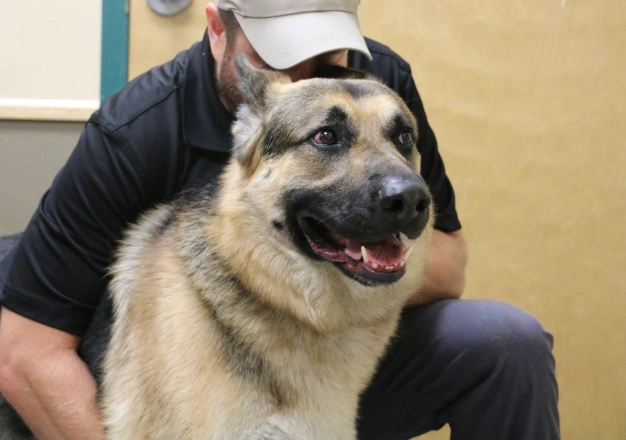
Canine Senior Care Facts
- Most dogs are considered senior at 7 years old (giant breeds are considered senior at 5 years old).
- Dogs age 5-7 years to every human year; significant changes in health can occur in as little as 3 to 6 months.
- Senior pets need special health care: blood tests, urinalysis, fecal exams, radiographs, and ultrasound are tests that are recommended.
- Nutritional needs change as your pet ages. Due to decreased activity, senior pets often need to consume fewer calories. Obesity is a serious health problem and can lead to other problems such as arthritis, diabetes, cardiovascular, respiratory and musculoskeletal disorders. Protein malnutrition may be associated with 50-70% of kidney or liver disorders.
- Senior pets often suffer from dental disease. Inflamed gums and teeth can cause pain, infection, tooth loss, bad breath, kidney and heart disease.
- Senior pets may have behavior changes; they may appear disoriented, forget their house training, sleep more and interact less with family members. Newer therapies can address senility behaviors.
Feline Senior Care Facts
- Most cats are considered senior at 8 years of age.
- Cats age 5-7 years to every human year: significant changes in health can occur in as little as 3 to 6 months.
- Senior pets need special health care: blood tests, urinalysis, fecal exams, radiographs, and ultrasound are tests that are recommended.
- Nutritional needs change as your pet ages. Due to decreased activity, senior pets often need to consume fewer calories. Obesity is a serious health problem and can lead to other problems such as arthritis, diabetes, cardiovascular, respiratory, and musculoskeletal disorders. Protein malnutrition may be associated with 50-70% of kidney and liver disorders.
- Senior pets often suffer from dental disease. Inflamed gums and teeth can cause pain, infection, tooth loss, bad breath, kidney, and heart disease.
- Senior pets may have behavioral changes: they appear disoriented, forget their house training, sleep more, and interact less with family members. Newer therapies can address senility behaviors.