
7778 Vance Dr. Arvada, CO 80003
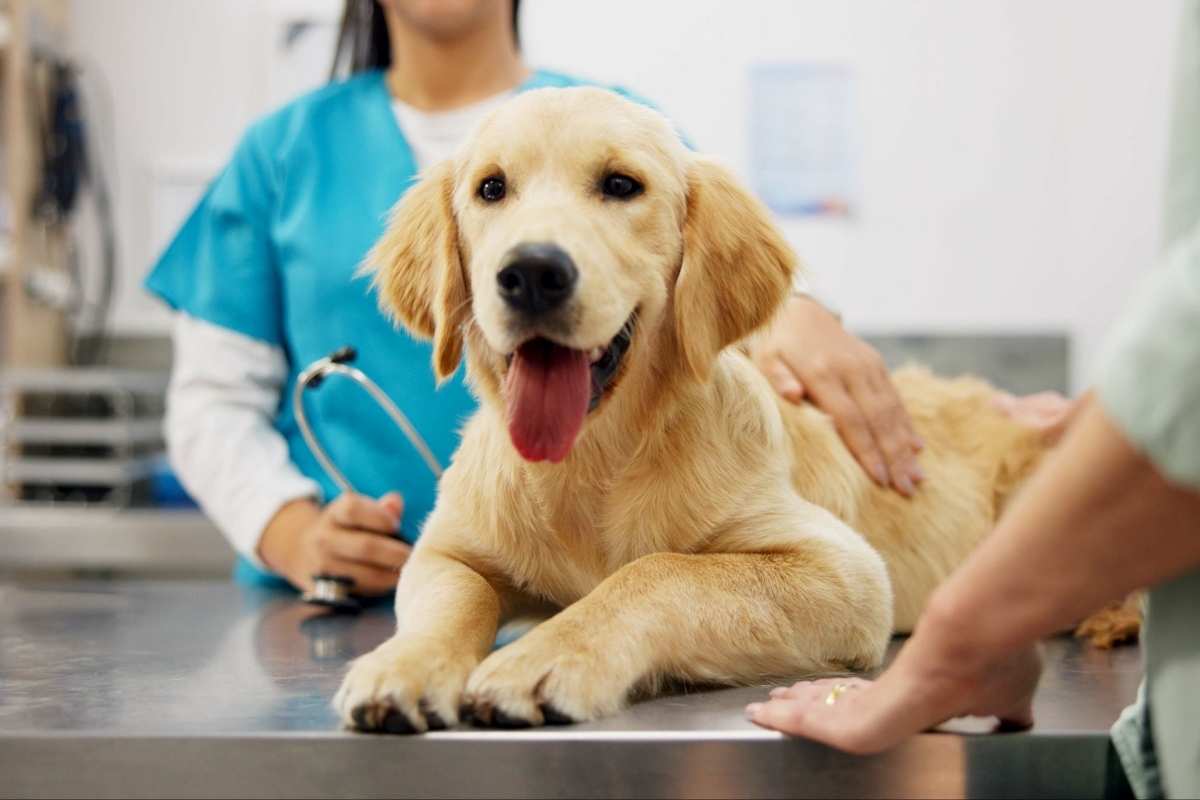
Every pet owner wants their companion to live a long, happy, and healthy life. While quality nutrition, exercise, and affection all contribute to overall wellness, routine veterinary attention plays an equally important role. Preventative veterinary services help identify health concerns early, reduce the risk of serious illness, and support your pet through every life stage.
Many illnesses develop gradually and may not show obvious symptoms until they become advanced. Regular wellness visits allow veterinarians to monitor subtle changes in your pet’s health before they become larger concerns. As a result, pets often experience better outcomes and improved quality of life when health conditions are detected early.
Preventative care also helps pet owners stay informed about changing health needs as pets age. Puppies and kittens require different support than adult or senior pets. Through routine examinations, vaccinations, dental evaluations, nutritional guidance, and parasite prevention, veterinary teams create personalized health plans tailored to each animal.
For families in Arvada, CO, proactive veterinary attention is one of the most effective ways to support lifelong wellness and strengthen the bond shared with pets.
Why Preventative Veterinary Care Matters
Preventative veterinary medicine focuses on maintaining health rather than only treating illness after it appears. This proactive approach allows veterinarians to establish health baselines, monitor ongoing conditions, and reduce avoidable medical complications.
Routine wellness visits provide valuable insight into your pet’s physical condition, behavior, mobility, weight, and internal health. During these appointments, veterinarians evaluate important indicators such as heart function, dental health, skin condition, and joint mobility. In many cases, early warning signs appear long before pets show visible discomfort at home.
Additionally, consistent care often lowers long-term treatment costs. Early diagnosis can reduce the need for emergency procedures or extensive medical intervention later. Preventative care also helps improve comfort, mobility, and energy levels throughout your pet’s life.
When pets receive regular veterinary attention, owners gain peace of mind knowing they are actively supporting their companion’s health and wellbeing.
The Role of Routine Wellness Exams
Wellness exams form the foundation of lifelong veterinary care. These visits allow veterinarians to assess your pet’s overall condition and identify small health changes before they become serious.
During a typical wellness examination, the veterinary team may:
- Check body weight and body condition
- Evaluate heart and lung function
- Examine eyes, ears, and skin
- Assess joint health and mobility
- Inspect teeth and gums
- Discuss diet and nutrition
- Review behavioral changes
- Recommend diagnostic screenings when needed
Pets age much faster than humans, which means health changes can develop quickly between appointments. Annual or biannual wellness visits help ensure concerns are addressed promptly.
In addition, regular exams create valuable medical history records that assist veterinarians in tracking long-term trends and making informed treatment decisions.
Vaccinations Protect Long-Term Health
Vaccinations remain one of the most important components of preventive veterinary medicine. They help protect pets from contagious and potentially life-threatening diseases.
Core vaccines are recommended for most pets because they guard against widespread illnesses. Depending on lifestyle, environment, and exposure risk, veterinarians may also recommend non-core vaccines tailored to individual needs.
Vaccination schedules vary depending on age, species, and health status. Puppies and kittens require a series of vaccines during early development, while adult pets need booster vaccines to maintain protection.
Keeping vaccinations current not only safeguards individual pets but also helps reduce disease transmission within the community.
Parasite Prevention Supports Everyday Wellness
Parasites can affect pets year-round and may lead to serious health complications if left untreated. Fleas, ticks, heartworms, and intestinal parasites often cause discomfort, illness, and disease transmission.
Preventative parasite control helps protect pets from infections and minimizes risks to family members as well. Some parasites are zoonotic, meaning they can spread from animals to humans.
Veterinarians typically recommend year-round prevention plans tailored to each pet’s lifestyle and environmental exposure. These plans may include:
- Monthly heartworm prevention
- Flea and tick control
- Routine fecal testing
- Deworming treatments
Because parasite activity can vary by region and season, consistent prevention remains essential for maintaining overall wellness.
Dental Care Is Essential for Lifelong Health
Dental disease affects a large percentage of pets by the time they reach adulthood. Unfortunately, many owners do not notice oral health problems until pets experience pain or difficulty eating.
Poor dental hygiene may contribute to:
- Gum disease
- Tooth loss
- Chronic pain
- Infection
- Organ complications involving the heart, liver, or kidneys
Routine dental evaluations help veterinarians identify plaque buildup, gingivitis, fractured teeth, and other oral health concerns early. Professional dental cleanings remove harmful bacteria and improve overall comfort.
At home, owners can support dental health through:
- Regular tooth brushing
- Veterinary-approved dental chews
- Oral rinses or additives
- Consistent dental checkups
Healthy teeth and gums contribute significantly to your pet’s long-term quality of life.
Nutrition Plays a Critical Role in Preventative Health
Balanced nutrition supports nearly every aspect of your pet’s health, including immune function, digestion, joint support, skin condition, and weight management.
However, nutritional needs change throughout different life stages. Puppies and kittens require nutrient-dense diets for growth, while senior pets may benefit from specialized nutrition that supports aging joints and organ health.
Veterinarians help pet owners choose appropriate diets based on:
- Age
- Breed
- Activity level
- Weight goals
- Existing medical conditions
Obesity remains one of the most common health issues affecting pets today. Excess weight can increase the risk of diabetes, arthritis, heart disease, and reduced mobility.
Routine veterinary visits allow teams to monitor weight changes and recommend dietary adjustments before obesity-related complications develop.
Early Detection Improves Treatment Outcomes
Many medical conditions progress silently during their early stages. Pets instinctively hide pain or discomfort, which means owners may not notice symptoms immediately.
Preventative screenings help veterinarians identify health concerns before they become advanced. Early diagnosis often leads to more effective treatment and better long-term outcomes.
Routine diagnostic testing may include:
- Bloodwork
- Urinalysis
- Fecal exams
- Blood pressure monitoring
- X-rays
- Senior wellness screenings
These tests provide valuable insight into internal organ function and overall health status.
Conditions commonly identified through preventative screenings include:
- Kidney disease
- Diabetes
- Thyroid disorders
- Liver disease
- Arthritis
- Heart disease
When veterinarians detect problems early, treatment plans can begin sooner and may significantly improve quality of life.
Senior Pets Need Specialized Preventative Attention
As pets age, their healthcare needs become more complex. Senior pets often develop age-related conditions that require closer monitoring and ongoing support.
Common concerns among aging pets include:
- Arthritis
- Reduced mobility
- Vision or hearing loss
- Cognitive decline
- Dental disease
- Organ dysfunction
Senior wellness exams allow veterinarians to evaluate these changes and recommend supportive care strategies that improve comfort and daily function.
In many cases, lifestyle modifications, nutritional adjustments, pain management, and early medical intervention can help senior pets remain active and comfortable for years.
Consistent veterinary monitoring becomes increasingly important as pets enter their senior years.
Behavioral Health Is Part of Preventative Care
Behavioral changes often signal underlying medical or emotional concerns. Anxiety, aggression, excessive vocalization, or withdrawal may indicate pain, illness, or stress.
Veterinarians evaluate both physical and behavioral wellness during routine visits. Early behavioral intervention can improve household harmony and strengthen the relationship between pets and owners.
Preventative behavioral guidance may include:
- Socialization recommendations
- Environmental enrichment
- Anxiety management
- Training support
- Lifestyle adjustments
Addressing behavioral concerns early helps prevent long-term complications and supports overall emotional wellbeing.
Building a Lifelong Partnership With Your Veterinarian
Consistent veterinary care creates a strong partnership between pet owners and their veterinary team. This relationship allows veterinarians to understand your pet’s medical history, lifestyle, and evolving healthcare needs over time.
Regular communication helps ensure pets receive individualized care tailored to their unique circumstances. Veterinary professionals can also provide guidance regarding nutrition, behavior, exercise, and preventive health strategies.
When owners stay proactive about veterinary visits, they become better equipped to make informed decisions that support lifelong wellness.
Responsible pet ownership includes routine monitoring, preventive attention, and early intervention whenever concerns arise.
Supporting Your Pet Through Every Life Stage
Every stage of life brings new opportunities and challenges for pets. From playful puppy years to senior companionship, ongoing healthcare helps pets remain healthy, active, and comfortable.
A comprehensive wellness plan may include:
- Routine physical exams
- Vaccinations
- Parasite prevention
- Dental care
- Nutritional counseling
- Diagnostic screenings
- Weight management
- Behavioral support
Together, these services form a strong foundation for lifelong health and wellbeing.
Prioritizing pet preventative care helps reduce avoidable illness and gives pets the opportunity to enjoy longer, healthier lives with the families who love them.
Preventative veterinary care is one of the most valuable investments pet owners can make in their companion’s long-term health. Through regular wellness exams, vaccinations, dental care, nutrition guidance, and early disease detection, pets receive the support they need throughout every stage of life.
If you’re in Arvada and looking for pet preventative care, schedule an appointment with Indian Tree Animal Hospital. Our veterinary team is dedicated to helping pets live healthier, happier lives through compassionate and proactive care.
FAQs
1. How often should my pet have a wellness exam?
Most adult pets should visit the veterinarian at least once a year. Senior pets or animals with ongoing health conditions may benefit from more frequent exams.
2. Why are preventative veterinary visits important?
Preventative visits help detect health concerns early, maintain vaccinations, monitor weight, and support overall wellness before serious issues develop.
3. What vaccines does my pet need?
Vaccination needs vary depending on species, age, lifestyle, and health history. Your veterinarian will recommend an individualized vaccine schedule.
4. Can preventative care reduce long-term medical costs?
Yes. Early diagnosis and routine monitoring often help prevent more serious illnesses that may require expensive emergency treatment later.
5. How does dental care affect my pet’s health?
Dental disease can lead to pain, infection, tooth loss, and complications involving internal organs. Regular dental evaluations support overall health and comfort.
6. What should I expect during a preventative care appointment?
Veterinarians typically perform a physical exam, discuss nutrition and behavior, review vaccination status, and recommend diagnostic testing or preventive treatments when needed.