7778 Vance Dr. Arvada, CO 80003
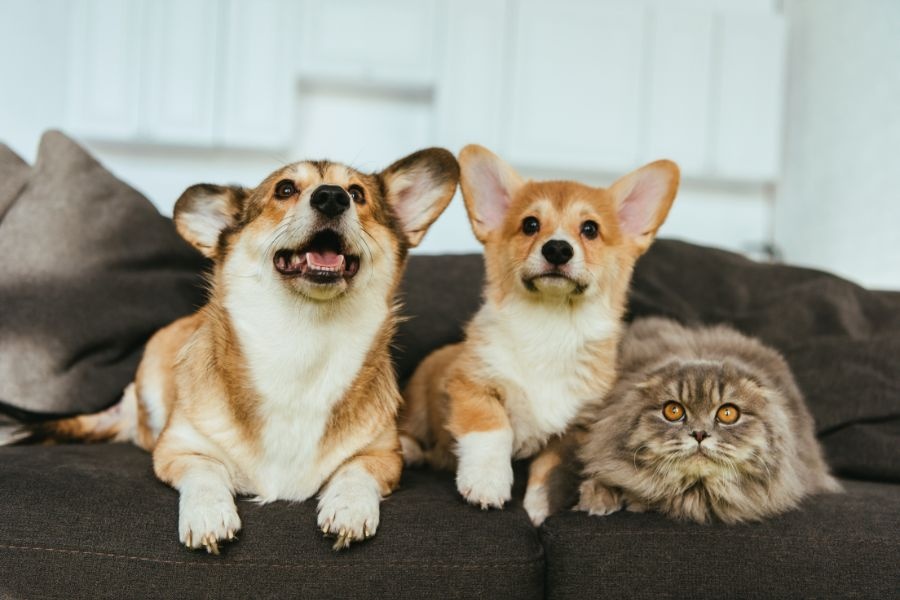
Sharing your home with a dog or cat brings endless joy, unconditional loyalty, and comforting companionship. Whether your pet greets you enthusiastically at the door after a long day or curls up quietly beside you on the couch, they quickly become an irreplaceable part of your family. As devoted pet parents, we naturally want to provide the highest standard of care to ensure our companions enjoy long, vibrant lives. While providing nutritious food, daily playtime, and a secure home are essential steps, internal health and proactive physical evaluations remain just as important as what meets the eye.
Many pet owners wonder why regular veterinary checkups are necessary when their dog or cat appears completely healthy, energetic, and bright. However, pets possess a strong natural instinct to mask discomfort, pain, and internal illness. Understanding the vital role of a thorough pet wellness exam helps clarify why proactive preventative veterinary care for pets is so crucial for early detection and long-term health. Here at Indian Tree Animal Hospital in Arvada, our veterinary team frequently guides local families through the benefits of structured wellness routines and comprehensive veterinary clinic services. Let us explore why routine health evaluations are an indispensable pillar of modern veterinary medicine.
The Hidden Nature of Canine and Feline Illness
In the wild, showing vulnerability or weakness makes an animal an immediate target for predators. Our domestic dogs and cats retain this deeply ingrained evolutionary survival instinct. Even when internal organ function is beginning to decline, joint discomfort is developing, or a metabolic imbalance is forming, a pet will often continue to eat, play, and interact normally.
By the time outward physical symptoms appear, such as noticeable weight loss, excessive thirst, dull fur, or lethargy, a condition has often been progressing for months. Proactive physical evaluations act as a crucial window into your pet’s internal physiology. Routine exams uncover hidden shifts in organ function, weight distribution, and vital signs long before physical signs manifest, allowing for timely intervention and simpler management.
What to Expect During a Comprehensive Checkup
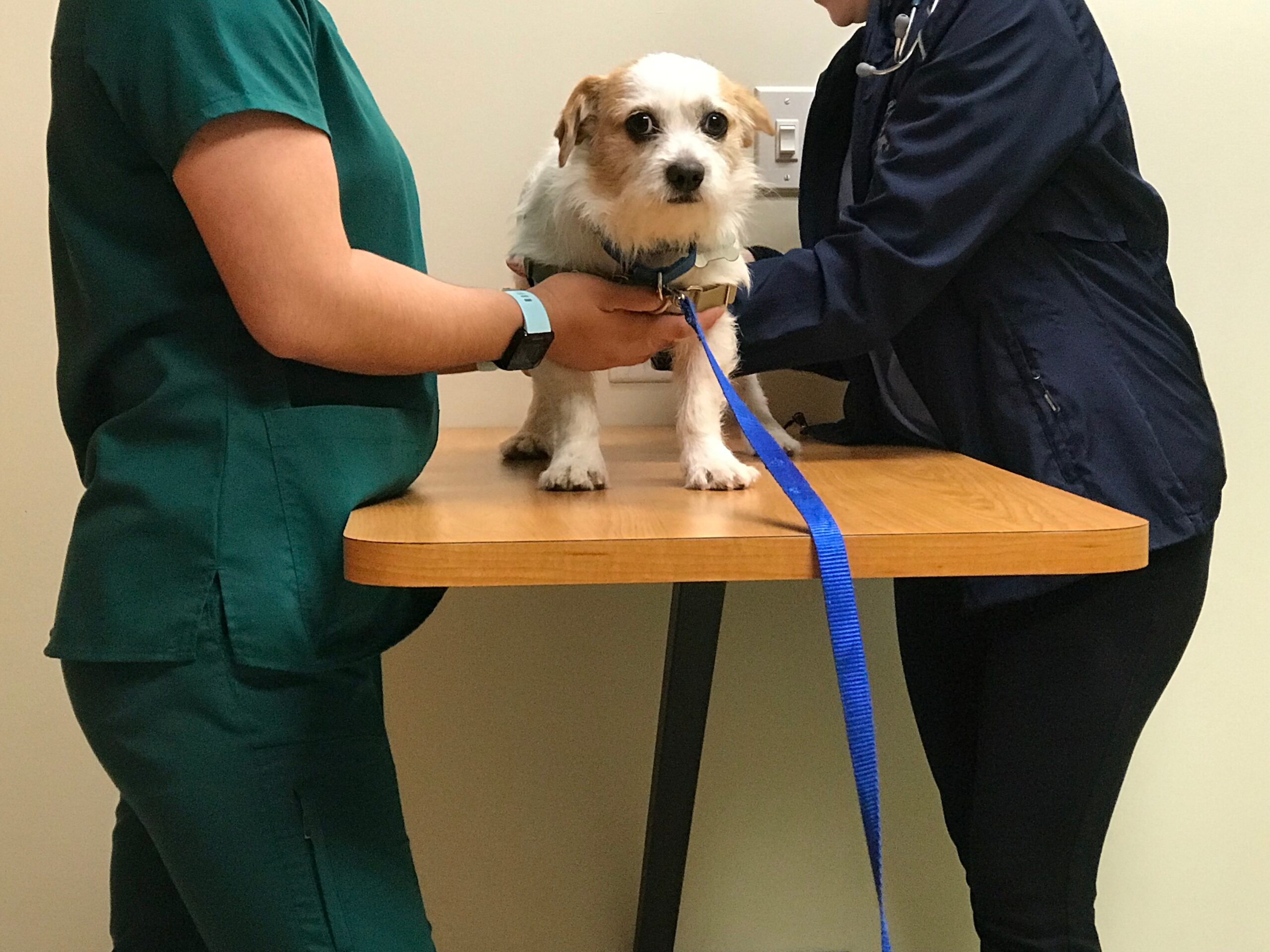
A thorough health evaluation goes far beyond a quick visual once-over. It is a comprehensive assessment designed to evaluate every major physiological system in your pet’s body. When you bring your pet in for a routine checkup, the veterinarian follows a structured protocol to establish a clear baseline of normal health and catch developing issues early.
Key components of a standard wellness evaluation include:
- Nose-to-Tail Physical Assessment: Evaluating eye clarity, ear canal health, dental condition, gum coloration, skin elasticity, coat quality, and abdominal structure.
- Cardiopulmonary Evaluation: Utilizing a stethoscope to listen carefully to heart rhythms and lung sounds, checking for subtle murmurs or respiratory anomalies.
- Weight and Body Condition Scoring: Tracking subtle weight fluctuations that can indicate metabolic shifts, diabetes, or early organ dysfunction.
- Parasite Screening: Checking stool and skin samples to protect your pet from common internal and external parasites that cause discomfort and internal strain.
Establishing the Right Dog and Cat Checkup Schedule
A common question among pet owners is how often their animal companions should visit the clinic to maintain optimal health. The ideal frequency depends heavily on your pet’s age, species, and individual life stage. Adhering to a consistent dog and cat checkup schedule ensures that no developmental milestone or age-related shift is ever overlooked.
Young puppies and kittens require a series of frequent visits during their first year of life to monitor growth spurts, screen for congenital issues, and establish foundational health records. Healthy adult dogs and cats generally benefit from a comprehensive physical examination and wellness evaluation once a year. Meanwhile, senior pets aged seven and older experience accelerated aging changes. Veterinarians typically recommend semi-annual wellness checkups for senior companions to catch age-related shifts, arthritis, and organ changes as early as possible.
The Power of Early Diagnostics and Proactive Care
One of the greatest benefits of routine wellness visits is the opportunity they provide for early diagnostic testing. Even when a physical exam reveals a bright and alert pet, routine blood panels and urinalysis can uncover microscopic changes in kidney function, liver enzymes, or blood sugar levels long before physical symptoms appear.
Catching these changes in their earliest, most manageable stages prevents minor imbalances from evolving into severe medical conditions. Whether it involves recommending a specialized diet for early kidney support, adjusting exercise routines for aging joints, or implementing a targeted parasite prevention plan, routine wellness care empowers you to keep your pet comfortable, active, and healthy for years to come.
Partnering with Your Local Arvada Animal Care Team
Navigating your pet’s healthcare journey is much easier when you have a dedicated veterinary team supporting your family. Every dog and cat has a unique biological makeup, lifestyle, and genetic background, meaning their wellness plan should be customized specifically for them.
Our team at Indian Tree Animal Hospital is proud to serve families throughout the Arvada community. Whether you want to establish a proactive wellness routine, explore comprehensive veterinary clinic services, or schedule a routine checkup, our experienced professionals are here to support you. Reach out to our Arvada clinic today to schedule a consultation and take a proactive step toward safeguarding your pet’s lifelong vitality.
FAQ
Q1. Why do veterinarians recommend annual wellness exams when my dog or cat seems completely healthy?
Ans: Pets instinctively mask internal discomfort and illness, meaning routine physical exams are essential for detecting hidden health changes or developing conditions long before outward symptoms appear.
Q2. How often should senior dogs and cats visit the veterinary clinic for routine checkups?
Ans: Senior pets aged seven and older generally benefit from routine wellness evaluations every six months to monitor age-related changes and catch developing issues early.
Q3. What types of internal health checks are typically included in a standard pet wellness exam?
Ans: A standard exam includes a nose-to-tail physical assessment, listening to heart and lung sounds, evaluating body weight and condition, and performing routine parasite screenings.
Q4. Can routine wellness visits help detect early-stage organ decline in aging pets?
Ans: Yes, combining physical exams with routine diagnostic testing allows veterinarians to spot subtle shifts in organ function long before physical signs become noticeable.
Q5. What role do pet owners play in preventative healthcare between scheduled veterinary visits?
Ans: Pet owners act as vital frontline observers by monitoring daily appetite, water consumption, energy levels, and behavioral changes in the home environment.