7778 Vance Dr. Arvada, CO 80003
A pet’s health needs can change as their lifestyle changes. A young dog that spends most of the day playing outdoors may have different health considerations than a senior dog who prefers quiet walks and naps. Likewise, an indoor cat may have different wellness needs after moving to a new home, gaining weight, or becoming less active. Understanding these changes helps pet parents make informed decisions about ongoing care.
A pet wellness exam is more than a routine visit. It gives your veterinarian an opportunity to assess your pet’s current health, discuss changes in daily habits, and identify areas that may need closer attention. At Indian Tree Animal Hospital in Arvada, lifestyle information can help shape a more personalized approach to your pet’s wellness.
Why Lifestyle Matters to Your Pet’s Health
Your pet’s daily routine affects many aspects of physical and behavioral health. Diet, exercise, sleep, stress, social interaction, indoor or outdoor living, and age can all influence health needs.
For example, a dog that regularly hikes around Arvada may have different concerns from a dog that takes short neighborhood walks. Outdoor activity can increase exposure to environmental hazards, parasites, uneven terrain, and physical strain. A cat that has recently become less active may need attention to weight, mobility, and enrichment.
Lifestyle changes can also happen gradually. Your pet may not suddenly appear sick, but subtle changes can provide important clues. Eating a little more, sleeping longer, drinking more water, slowing down on walks, or avoiding stairs can all be worth discussing during a wellness visit.
This is why pet preventative care should be flexible enough to reflect what is happening in your pet’s everyday life.
How Activity Levels Can Change Wellness Needs
Exercise is important for maintaining healthy muscles, joints, cardiovascular function, and body weight. However, the right amount of activity depends on your pet’s age, breed, physical condition, and health history.
An active lifestyle can support fitness, but sudden increases in exercise can place extra stress on joints and muscles. If your dog starts accompanying you on longer walks, runs, hikes, or outdoor adventures, let your veterinarian know. Your pet’s physical condition can be evaluated and an appropriate activity plan can be discussed.
On the other hand, reduced activity can sometimes contribute to weight gain and loss of muscle strength. A decrease in movement may also indicate discomfort or an underlying health concern.
During a pet wellness exam, your veterinarian can ask about your pet’s typical activity level and determine whether changes in exercise should influence future monitoring.
Diet and Weight Can Influence the Exam Plan
Nutrition is another important part of lifestyle-based wellness care. Changes in food, treats, portion sizes, feeding schedules, or household routines can affect body condition.
Weight gain may occur when a pet receives more calories than they use. Weight loss can have many possible causes, including changes in appetite, digestion, activity, or underlying illness. Even when your pet seems happy and energetic, noticeable weight changes should be discussed with a veterinarian.
Your pet’s body condition can be assessed during a wellness exam. Depending on the findings, your veterinarian may recommend adjustments to feeding portions, treats, exercise, or nutritional habits.
Regular weight monitoring can also make it easier to identify gradual changes before they become more significant.
Indoor and Outdoor Lifestyles Present Different Considerations
Where your pet spends time can influence their wellness needs. Outdoor pets may encounter insects, parasites, plants, wildlife, standing water, or other environmental exposures. Dogs that frequently visit parks, trails, boarding facilities, or dog friendly locations may also have different exposure patterns than pets who spend most of their time at home.
Indoor pets have their own considerations. Limited activity can contribute to weight gain, while a lack of mental stimulation may contribute to boredom or unwanted behaviors. Indoor cats can benefit from climbing opportunities, interactive play, scratching areas, and other forms of environmental enrichment.
When discussing your pet’s lifestyle during a wellness exam, mention where they spend time and what activities they enjoy. These details can help your veterinarian determine which areas deserve attention.
Life Stage Changes Can Reshape Wellness Planning
Your pet’s needs naturally change throughout life. Puppies and kittens require guidance as they grow, while adult pets often benefit from maintaining healthy routines and monitoring for gradual changes. Senior pets may require closer observation of mobility, weight, behavior, organ function, and other health indicators.
A lifestyle that worked well several years ago may no longer be appropriate as your pet ages. A senior dog that once enjoyed long hikes may benefit from shorter walks with appropriate rest periods. An older cat that was previously very active may need additional environmental support if mobility becomes more difficult.
A wellness plan should evolve along with your pet. Regular examinations allow your veterinarian to compare current findings with previous visits and recognize meaningful changes over time.
Stress and Household Changes Matter Too
Lifestyle changes are not limited to food and exercise. Pets can also respond to changes in their environment.
Moving to a new home, introducing another pet, welcoming a baby, changing work schedules, remodeling the house, or experiencing changes in household members can affect behavior and stress levels. Some pets may hide more often, become less social, vocalize more, groom differently, or change their eating habits.
Behavioral changes should not automatically be assumed to be caused by stress. Physical health problems can sometimes appear as changes in behavior. Sharing these observations during a wellness appointment gives your veterinarian more information to consider.
Changes in Routine Should Be Shared With Your Veterinarian
Pet parents often focus on obvious symptoms, but everyday observations can be equally useful. Keep track of changes such as:
- Increased or decreased appetite
- Changes in water consumption
- Weight gain or weight loss
- Reduced interest in play
- Difficulty climbing stairs
- Changes in sleep patterns
- New behavioral changes
- Changes in bathroom habits
- Increased scratching or grooming
- Reduced tolerance for exercise
You do not need to determine what these changes mean on your own. Simply documenting them and sharing them with your veterinarian can help create a clearer picture of your pet’s health.
What to Expect During a Lifestyle Focused Wellness Visit
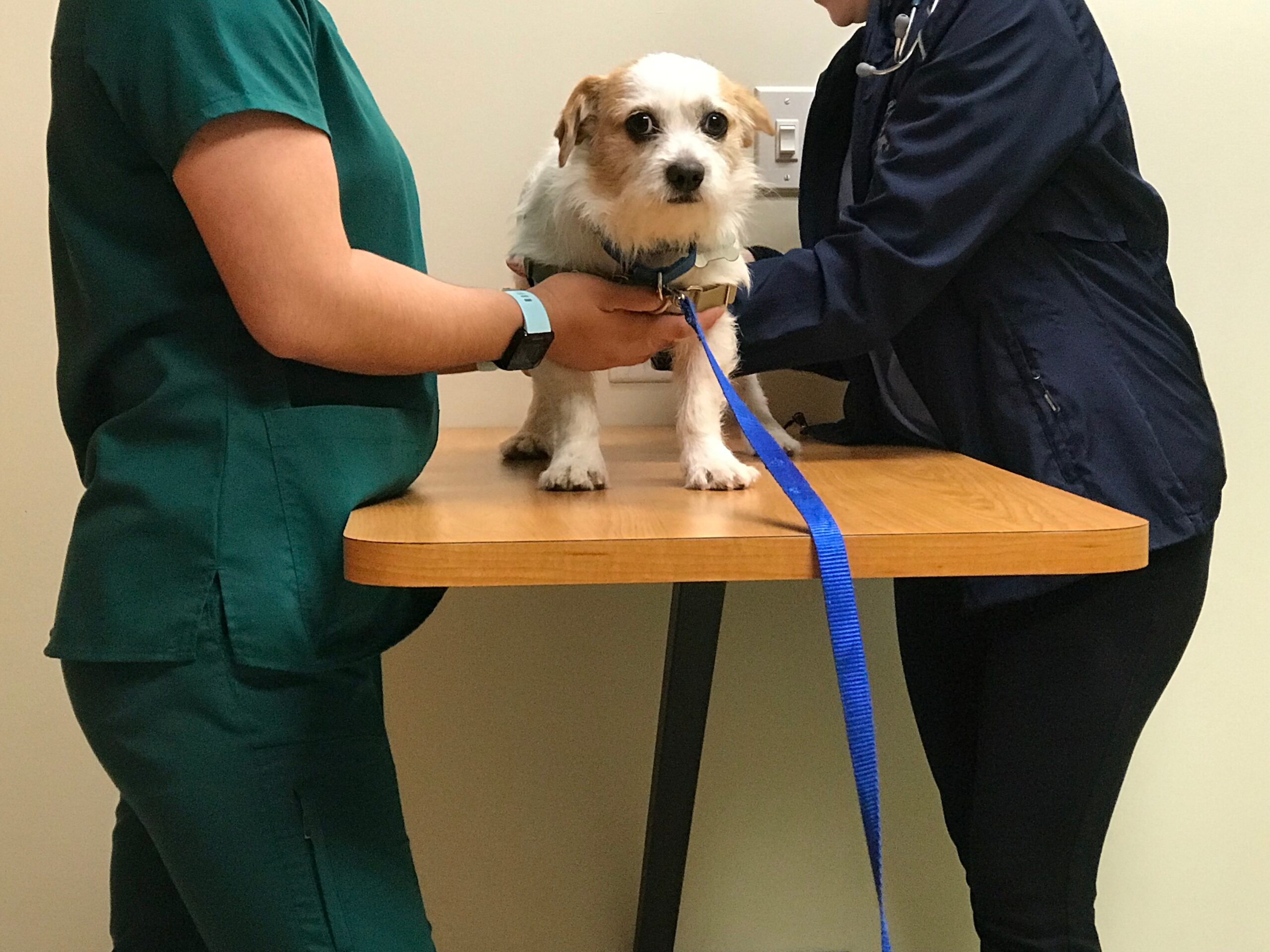
A wellness visit typically includes a physical assessment and a conversation about your pet’s overall health. Your veterinarian may ask about eating habits, exercise, behavior, environment, daily routines, and recent changes.
The examination can include evaluation of your pet’s body condition, eyes, ears, mouth, skin, coat, heart, lungs, abdomen, muscles, joints, and other areas based on individual needs.
Additional testing may be discussed when appropriate. The goal is not to use the same plan for every pet. Instead, the information gathered during the visit can help determine which preventive steps and monitoring strategies make sense for your companion.
For pet parents in Arvada, keeping an ongoing record of lifestyle changes can make conversations with your veterinary team more productive.
How Pet Parents Can Prepare
Before your next wellness appointment, think about what has changed since your pet’s previous visit. Consider your pet’s current food, treats, activity level, exercise routine, sleeping habits, environment, and behavior.
If possible, keep notes about unusual observations. Photos or short videos can also help demonstrate changes in movement or behavior that may not occur during the appointment.
Most importantly, do not wait until a change becomes severe before mentioning it. Small details can help your veterinarian understand your pet’s normal routine and identify when something has shifted.
Why Personalized Preventive Care Matters
There is no single wellness schedule that fits every dog or cat. Age, breed, medical history, lifestyle, environment, activity, and other individual factors can all influence healthcare needs.
That is the value of personalized pet preventative care. Regular wellness visits provide opportunities to review your pet’s current lifestyle and adjust the focus of care as their needs change.
For families in Arvada, maintaining an ongoing relationship with a veterinary team can make it easier to track changes from one visit to the next. Your pet may not be able to explain what feels different, but careful observation combined with routine veterinary care can help you stay informed about their health.
Schedule Your Pet’s Wellness Visit in Arvada
Has your pet recently changed their diet, activity level, behavior, home environment, or daily routine? These changes are worth discussing with a veterinary professional. Contact Indian Tree Animal Hospital to schedule an appointment or use the online booking option to arrange your pet’s next wellness visit. A routine checkup can provide an opportunity to review current lifestyle habits and create a wellness plan that reflects your pet’s individual needs.
FAQ or Frequently Asked Questions
Q1. How often should my pet have a wellness exam?
Ans: The appropriate schedule depends on your pet’s age, health history, lifestyle, and individual needs. Your veterinarian can recommend a visit schedule based on these factors and adjust it as your pet ages or their circumstances change.
Q2. Can changes in exercise affect my dog’s wellness plan?
Ans: Yes. A major increase or decrease in physical activity can affect weight, muscles, joints, and overall conditioning. Tell your veterinarian about significant changes so activity recommendations can be tailored to your dog.
Q3. Does an indoor lifestyle mean my cat needs less preventive care?
Ans: Indoor cats still benefit from routine wellness care. Weight management, dental health, behavior, nutrition, mobility, and other health concerns can affect indoor cats regardless of their exposure to outdoor environments.
Q4. Should I tell my veterinarian about changes in my pet’s behavior?
Ans: Yes. Changes such as hiding, reduced play, altered sleep, unusual vocalization, appetite changes, or reduced interaction can provide useful health information. Behavioral changes can have physical or environmental causes and should be discussed during a wellness visit.
Q5. Can a pet’s wellness plan change as they get older?
Ans: Yes. Health priorities can change throughout a pet’s life. Growing pets, adults, and seniors may have different monitoring needs, so regular wellness visits help your veterinarian adapt the care plan as your pet’s age and lifestyle change.