7778 Vance Dr. Arvada, CO 80003
Changes in your cat’s litter box habits can be easy to overlook, especially when they seem minor at first. Frequent trips to the litter box, straining to urinate, blood in the urine, or urinating outside the usual spot may indicate a urinary tract problem. One possible cause is bladder stones, which can irritate the bladder and sometimes interfere with the normal flow of urine.
For cat owners in Arvada, understanding when cat surgery may be considered for bladder stones can help make decisions about diagnosis and treatment. Not every cat with bladder stones needs an operation. The appropriate approach depends on the type, size, and location of the stones, your cat’s symptoms, and whether urine flow is affected. Indian Tree Animal Hospital can help evaluate urinary concerns and explain which treatment options may suit your cat’s condition.
What Are Bladder Stones in Cats?
Bladder stones, also called uroliths, are solid mineral formations that develop in the urinary tract. They form when minerals in the urine collect into crystals and gradually combine into larger structures. Stones may remain in the bladder, irritate its lining, or move into the urethra, the tube that carries urine out of the body.
Different stones have different compositions. Common types in cats include struvite and calcium oxalate stones. Their composition matters because some may be managed with a veterinarian-prescribed dietary dissolution plan, while others generally require physical removal.
Bladder stones are not the same as urinary crystals, although both can occur in cats with urinary problems. A cat can have crystals without bladder stones, and the presence of crystals does not always reveal what a stone is made of. Veterinary testing is needed to determine the most appropriate treatment.
Signs That May Indicate Bladder Stones
Cats with bladder stones may show changes in urination that resemble other lower urinary tract conditions. Watch for frequent litter box visits, straining, small amounts of urine, blood in the urine, discomfort while urinating, or urinating outside the litter box.
Some cats may lick the genital area more often, hide, become irritable, or show reduced interest in food. Others may have subtle signs that are difficult to distinguish from ordinary behavioral changes.
One particularly important concern is difficulty passing urine. If your cat repeatedly strains but produces little or no urine, seek immediate veterinary attention. A urinary blockage can become life-threatening, especially in male cats. Do not assume your cat is constipated without having the symptoms assessed.
How Veterinarians Diagnose Bladder Stones
Before deciding whether veterinary surgery is necessary, your veterinarian needs to confirm the diagnosis and assess your cat’s overall condition.
The evaluation may include a physical examination and urinalysis to check for blood, inflammation, crystals, and other abnormalities. Urine culture may be recommended when infection is suspected. Blood tests can help assess kidney function, hydration, and other health concerns.
Imaging is often important. X-rays can identify many bladder stones, while ultrasound may help detect stones and evaluate the bladder wall and surrounding structures. Some stones are difficult to see on certain imaging studies, so the veterinarian may recommend more than one diagnostic method.
The findings help determine the location and likely nature of the stones, whether urine is flowing normally, and which treatment options are reasonable. If a stone is removed, laboratory analysis can identify its mineral composition and help guide future prevention.
When Is Surgery Considered for Bladder Stones?
Surgery may be recommended when stones cannot be dissolved safely or effectively, when they cause persistent symptoms, or when their size or position creates a risk of obstruction. Calcium oxalate stones, for example, generally cannot be dissolved through dietary treatment.
The veterinarian may also consider removal if a prescribed dissolution diet has not produced the expected results or if complications make waiting inappropriate. The decision depends on the individual cat, rather than on stone size alone.
A procedure called cystotomy is commonly used to remove bladder stones. Under anesthesia, the veterinarian makes an incision into the bladder, removes the stones, and closes the bladder and abdominal incision. The removed material can then be analyzed.
In selected cases, less invasive approaches may be possible, depending on the stone characteristics, the cat’s anatomy, available equipment, and clinical expertise. Your veterinarian can explain whether an alternative to open surgery is suitable.
Can Bladder Stones Be Treated Without Surgery?
Some struvite bladder stones in cats can be dissolved with a veterinary-prescribed therapeutic diet. This approach changes urine conditions to help the stones dissolve gradually. It requires careful dietary adherence, monitoring, and repeat imaging to confirm progress.
Dissolution is not appropriate for every stone type. Calcium oxalate stones, for instance, generally require physical removal. A diet intended to dissolve struvite stones will not dissolve every kind of bladder stone.
During a dissolution plan, your veterinarian may recommend feeding only the prescribed diet and avoiding unapproved treats or other foods that could interfere with treatment. Follow-up examinations and imaging help determine whether the stones are shrinking.
If symptoms worsen or urine flow becomes impaired, contact your veterinarian promptly rather than waiting for the next scheduled check. The treatment plan may need reassessment based on your cat’s response.
What Happens Before and After Bladder Stone Surgery?
Before surgery, the veterinary team assesses your cat’s health and determines whether blood tests, imaging, or other evaluations are needed. You will receive instructions about food, water, medication, and arrival arrangements. Follow these directions carefully, and ask the clinic how to handle regular medications if anything is unclear.
After the procedure, your cat will be monitored as they recover from anesthesia. The veterinary team will assess comfort, urination, and overall condition before discharge when appropriate. Some blood in the urine or increased frequency of urination may occur temporarily after bladder surgery, but your veterinarian should explain what is expected and for how long.
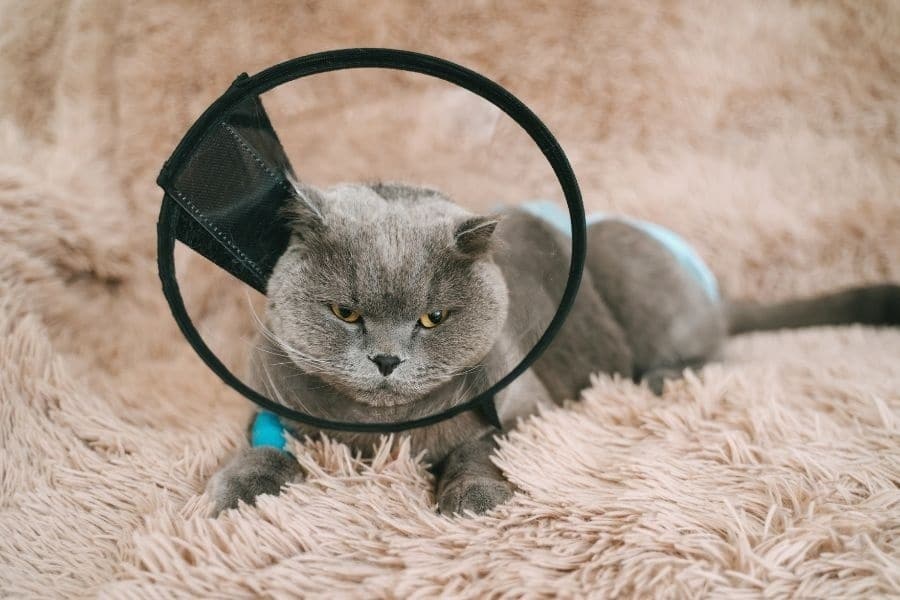
At home, provide a quiet resting area and follow all medication and activity instructions. Keep fresh water available unless the veterinary team advises otherwise. Monitor litter box visits and the amount of urine produced. Prevent licking or chewing at the incision using the protective equipment recommended by your veterinarian.
Contact the clinic if your cat’s discomfort increases, vomiting occurs repeatedly, the incision becomes swollen or begins to open, or urination seems abnormal. Straining with little or no urine requires immediate assessment.
Preventing Bladder Stones From Returning
Removing bladder stones addresses the existing problem, but prevention depends on the stone type and underlying risk factors. Laboratory analysis of removed stones helps your veterinarian develop a more specific long-term plan.
Depending on the results, prevention may involve a therapeutic diet, increased water intake, monitoring urine characteristics, or follow-up imaging. Feeding wet food, when appropriate for your cat, may help increase water consumption. Water fountains and multiple clean water bowls can also encourage some cats to drink more.
Do not select a urinary diet without veterinary guidance. Different stone types require different strategies, and an unsuitable diet may not provide the intended benefit.
Continue monitoring your cat’s litter box habits even after treatment. Recurrence is possible, so follow-up care remains important. Regular checkups allow your veterinarian to review symptoms, dietary changes, and any new findings.
Discuss Your Cat’s Treatment Options With Indian Tree Animal Hospital
Bladder stones can range from manageable urinary problems to conditions that require prompt intervention. Surgery may be appropriate when stones cannot be dissolved or threaten normal urine flow, but diagnosis and stone analysis are essential to selecting a treatment plan.
If your cat is showing urinary changes or has been diagnosed with bladder stones, contact Indian Tree Animal Hospital in Arvada. Schedule an appointment to discuss diagnostic testing, pet surgical services, treatment options, and recovery expectations. The veterinary team can help you understand the next steps for your cat and develop a plan to support urinary health after treatment.
Frequently Asked Questions
Q1. Do all cats with bladder stones need surgery?
Ans: No. Some struvite stones can be dissolved with a veterinarian-prescribed therapeutic diet. Other stones, including calcium oxalate stones, generally require physical removal. The decision depends on stone composition, symptoms, and potential complications.
Q2. How do veterinarians determine what type of bladder stone a cat has?
Ans: Urinalysis and imaging help evaluate urinary health and identify stones. Laboratory analysis of a removed stone can determine its mineral composition and guide future treatment and prevention.
Q3. How long does a cat take to recover from bladder stone surgery?
Ans: Recovery varies with the procedure, the cat’s health, and any complications. Follow the veterinarian’s instructions about medication, activity, incision care, and follow-up visits rather than relying on a fixed timeline.
Q4. Can bladder stones return after surgery?
Ans: Yes, recurrence is possible. A prevention plan based on stone analysis may include a specific diet, increased water intake, and follow-up testing to monitor urinary health.
Q5. What should I do if my cat strains but cannot pass urine?
Ans: Seek immediate veterinary attention. Straining with little or no urine can indicate a urinary blockage, which can become life-threatening. Do not wait to see whether the problem resolves on its own.