7778 Vance Dr. Arvada, CO 80003
When your pet needs a surgical procedure, it is natural to focus on the procedure itself. However, recovery is an equally important part of the process. The days and weeks after surgery can influence comfort, healing, mobility, appetite, and the return to normal activity. Understanding what affects recovery can help pet parents make informed decisions and create a supportive home environment.
At Indian Tree Animal Hospital in Arvada, pet parents can benefit from understanding the many factors that influence recovery after vet surgery. Every pet responds differently to surgery, and recovery plans are shaped by the animal’s age, health, procedure, medications, and home care. Knowing what to expect can make the transition from the veterinary hospital to home smoother for both pets and families.
Why Your Pet’s Overall Health Matters
A pet’s health before surgery can have a major effect on how the body responds afterward. Dogs and cats with underlying conditions may require additional monitoring or adjustments to their recovery plan. For example, problems involving the heart, kidneys, liver, respiratory system, or immune system can influence how a pet handles anesthesia, medications, and tissue healing.
Age can also play a role. Young pets may recover quickly from some procedures, while senior animals may need more time and closer observation. Weight, nutrition, hydration, muscle condition, and previous medical history are also important considerations.
Before pet surgery, your veterinarian may recommend an examination and appropriate diagnostic testing. These steps can provide useful information about your pet’s current health and help the veterinary team develop a plan suited to their individual needs.
The Type and Complexity of Surgery
Not all procedures place the same demands on the body. A relatively minor procedure may involve a shorter recovery period, while orthopedic, abdominal, or other complex surgeries can require several weeks of controlled activity.
The location of the surgical site also matters. Procedures involving the legs or joints may temporarily affect walking and movement. Abdominal procedures may require careful restrictions on jumping, running, and rough play. Surgeries involving the mouth may require changes to feeding routines while tissues heal.
Your veterinarian will provide specific instructions based on the procedure performed. Following those instructions closely is an important part of supporting a smooth recovery.
Anesthesia and Medication Considerations
Anesthesia can temporarily affect a pet after surgery. Some pets may appear sleepy, unsteady, less interested in food, or quieter than usual during the initial recovery period. These effects should be monitored according to the instructions provided by your veterinary team.
Pain control is another important part of recovery. Appropriate veterinary pain management can help pets remain comfortable while allowing them to rest and heal. Your veterinarian may prescribe medications based on the procedure, your pet’s health, and their individual needs.
Pet owners should give medications exactly as directed and should never give human pain relievers unless specifically instructed by a veterinarian. Some medications intended for people can be dangerous for dogs and cats.
Nutrition Can Support Healing
Nutrition plays an important role in tissue repair and maintaining strength after surgery. Your pet may have a temporary decrease in appetite after a procedure, but ongoing changes in eating or drinking habits should be discussed with your veterinarian.
Follow any feeding instructions provided after surgery. Depending on the procedure, your pet may need smaller meals, a modified diet, or temporary changes in food texture.
Fresh water should generally remain accessible unless your veterinary team provides different instructions. Keeping track of your pet’s food and water intake can help you recognize changes that may be important during recovery.
Rest and Activity Restrictions
One of the most common challenges after pet surgical services is preventing a pet from doing too much too soon. Dogs may feel energetic before their tissues have fully healed. Cats may attempt to jump onto furniture or explore areas that should temporarily be off limits.
Too much activity can place stress on healing tissues and may interfere with the recovery process. Depending on the procedure, your pet may need restricted exercise, supervised walks, limited stairs, or a quiet recovery area.
Consider creating a comfortable space where your pet can rest without excessive stimulation. Keep food, water, and bedding easily accessible. If other pets or young children live in the home, supervision may be needed to prevent rough interaction.
Incision Care Is an Important Part of Recovery
If your pet has an external incision, monitoring the area is an important part of postoperative care. Your veterinarian may provide instructions about keeping the incision clean and dry and preventing your pet from licking or chewing the site.
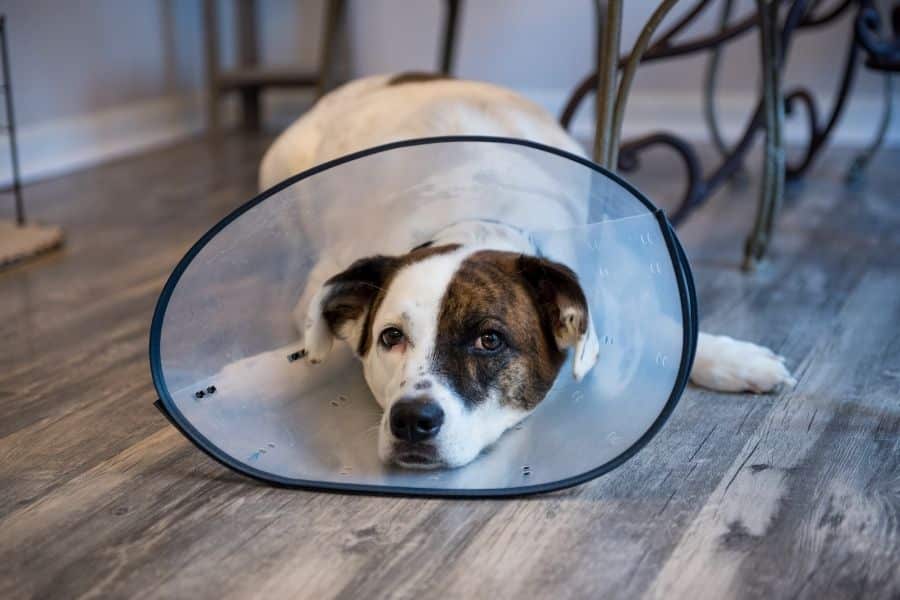
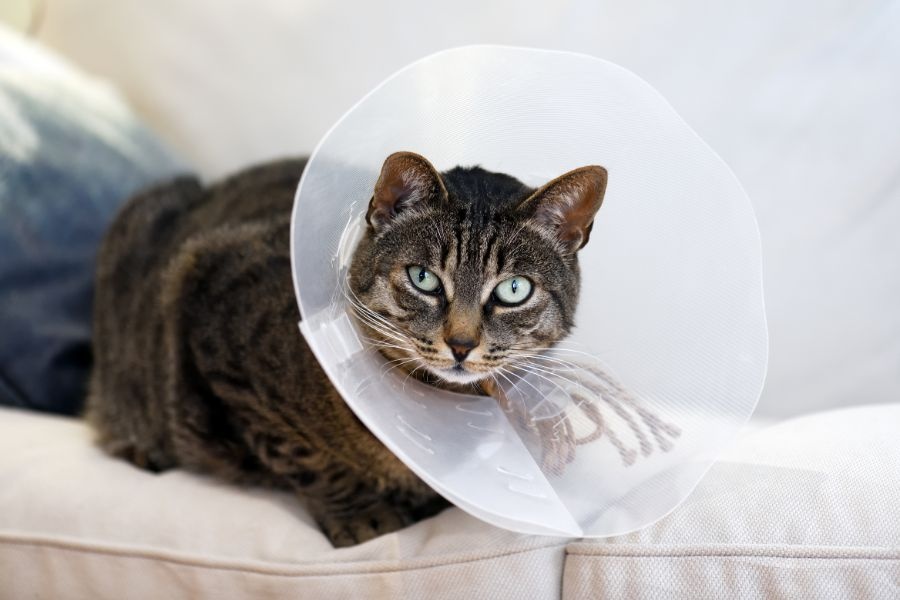
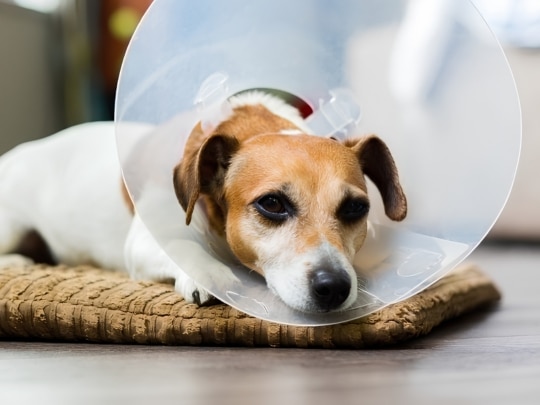
Pets can be surprisingly persistent when they notice a healing incision. A protective collar or another veterinarian approved method may be recommended when needed.
Check the surgical site as instructed and become familiar with what normal healing should look like for your pet. Contact your veterinary team if you notice concerning changes such as increasing swelling, discharge, significant redness, separation of the incision, or other changes that do not match the instructions you received.
Stress Can Influence Recovery
A quiet and predictable environment can make recovery easier. Pets may experience stress because their normal routine has changed, they are experiencing discomfort, or they have temporary activity restrictions.
Try to maintain familiar feeding and sleeping routines while limiting unnecessary excitement. Calm interaction, gentle attention, and a comfortable resting area can help your pet feel secure.
Cats may benefit from a quiet room with familiar bedding and easy access to their litter box. Dogs may benefit from calm companionship and short, controlled outings when permitted by the veterinary team.
Follow Up Appointments Matter
Follow up visits are an important component of pet surgical services because healing cannot always be assessed from appearance alone. Your veterinarian may evaluate the incision, mobility, appetite, comfort, or other factors depending on the procedure.
These visits also give you an opportunity to ask questions. If your pet is behaving differently, refusing food, struggling with activity restrictions, or showing a change you are unsure about, make a note of it and discuss it with the veterinary team.
Following the recommended schedule helps your veterinarian determine whether recovery is progressing as expected and whether activity restrictions can be changed.
Every Pet Has a Different Recovery Timeline
It can be tempting to compare your pet’s recovery with another animal that underwent a similar procedure. However, recovery times can vary considerably.
A younger dog and an older dog may respond differently to the same type of surgery. A healthy cat may recover differently from a cat with an underlying medical condition. Even pets of the same breed, age, and size can have different recovery experiences.
Instead of focusing only on a specific number of days, pay attention to the recovery goals provided by your veterinarian. Gradual improvement in comfort, appetite, movement, and normal behavior can be useful indicators when considered alongside professional guidance.
How Pet Parents Can Help
Your role does not end when your pet leaves the veterinary hospital. Providing medications as directed, maintaining activity restrictions, monitoring eating and drinking habits, protecting the surgical site, and attending recommended follow up appointments can all contribute to recovery.
It is also helpful to prepare before surgery. Ask your veterinarian what your pet will need at home, where they should rest, what activities should be avoided, and which changes should prompt a call to the veterinary team. Having these details in advance can reduce uncertainty once your pet returns home.
At Indian Tree Animal Hospital in Arvada, pet parents can discuss their concerns and learn more about what to expect before and after a surgical procedure. A personalized recovery plan can help you understand how to support your dog or cat at every stage.
Schedule Pet Surgical Services in Arvada
If your pet is preparing for surgery or you have questions about recovery, consider scheduling an appointment with Indian Tree Animal Hospital. Our veterinary team can evaluate your pet, explain the surgical process, discuss recovery expectations, and provide individualized postoperative instructions.
Schedule an online appointment or contact our vet hospital to learn more about vet surgery and how you can help your pet recover comfortably at home.
FAQ or Frequently Asked Questions
Q1. How long does it take for a pet to recover after surgery?
Ans: Recovery time depends on the procedure, your pet’s age, overall health, and other individual factors. Some procedures involve a shorter recovery period, while more complex surgeries may require several weeks of controlled activity.
Q2. Why does my pet need to restrict activity after surgery?
Ans: Activity restrictions help protect healing tissues from excessive movement, jumping, running, or pressure. Following your veterinarian’s instructions can help reduce strain on the surgical site while your pet heals.
Q3. What should I do if my pet keeps licking the incision?
Ans: Contact your veterinary team for guidance and use the protective method recommended for your pet. Preventing repeated licking or chewing can help protect the healing incision.
Q4. Can my pet eat normally after surgery?
Ans: Feeding instructions depend on the procedure and your pet’s condition. Some pets may temporarily need smaller meals or dietary adjustments. Follow the instructions provided by your veterinary team and report persistent appetite changes.
Q5. When should I schedule a follow up after pet surgery?
Ans: Follow up timing varies by procedure and your pet’s recovery needs. Your veterinarian will recommend an appropriate schedule and may use the visit to assess healing, comfort, mobility, or the surgical site.