7778 Vance Dr. Arvada, CO 80003
It is a scenario every pet parent encounters at some point: your dog suddenly refuses their favorite meal, or your cat starts pawing restlessly at an ear. In these quiet moments of uncertainty, a lingering question usually arises, should you wait until tomorrow to see if things improve, or act immediately? Because companion animals naturally mask physical pain as a survival instinct, what appears to be a minor behavioral shift can sometimes point to an underlying physiological change that needs swift attention.
Relying on urgent pet care offers a proactive alternative to the uncertainty of watching and waiting. This dedicated level of medical support bridges the gap between routine wellness visits and intensive crisis care, giving pet owners fast diagnostic answers and immediate comfort for non-life-threatening conditions. For families living in Arvada, knowing when to move past the “wait and see” mindset helps protect companion animals and keeps recovery timelines short and manageable.
Evaluating Symptoms: At-Home Care vs. Clinical Intervention
Determining whether to monitor a symptom at home or seek intermediate clinical care requires evaluating your pet’s energy levels, physical signs, and overall demeanor.
- At-Home First Aid (Safe for Initial Observation):
- Minor, surface-level scratches or tiny thorn pricks without active bleeding
- Isolated, mild tiredness following an unusually active afternoon of exercise
- Single, mild digestive episode while remaining bright, alert, and well-hydrated
- Mild, temporary itching without red, inflamed skin, hives, or hair loss
- Clinical Urgent Care (Requires Prompt Evaluation):
- Persistent vomiting, watery diarrhea, or loss of appetite lasting over 12 to 24 hours
- Refusal to bear weight on a limb, sudden limping, or obvious joint swelling
- Acute facial swelling, widespread hives, or frantic, relentless scratching
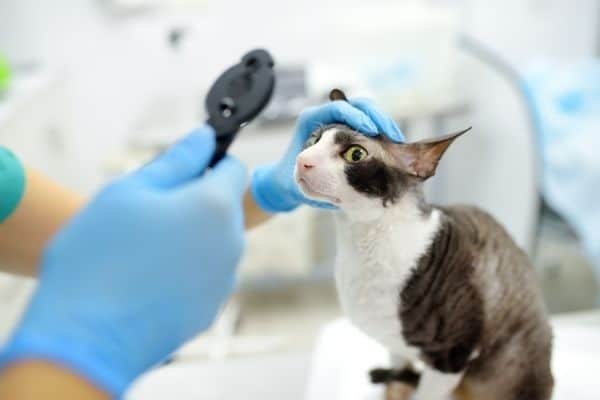
- Continuous head shaking, severe ear canal redness, or eye squinting with discharge
- Noticeable straining or difficulty during routine urination attempts
The Hidden Medical Risks of Delaying Evaluation
While it is natural to hope that a minor physical shift will resolve on its own with rest, taking a passive approach with developing symptoms introduces several physical risks for your pet.
Rapid Dehydration and Fluid Imbalance
When pets experience sudden gastrointestinal disruptions, their bodily fluid reserves drain rapidly. Fluid loss lowers blood volume, reduces energy levels, and strains kidney function, making simple recoveries far more physically demanding on the body.
Escalating Pain and Systemic Stress
Unmanaged physical pain from soft tissue sprains, torn toenails, or acute ear inflammation creates continuous physical stress. Pain triggers stress hormones that elevate blood pressure and suppress immune function, delaying natural tissue repair.
Secondary Complications and Infection
Superficial cuts, scrapes, or paw pad abrasions exposed to outdoor dirt or constant licking can quickly develop localized skin infections or painful abscesses. Addressing tissue damage early under sterile conditions prevents secondary bacterial complications from taking hold.
How Fast Evaluation Drives Rapid Recovery
When unexpected health shifts occur, seeking urgent vet care allows clinical teams to utilize rapid point-of-care tools to diagnose issues without delay.
Diagnostic Precision at the Point of Care
- In-House Blood Analysis: Evaluates liver chemistry, kidney values, blood glucose, and inflammatory markers in fifteen minutes or less.
- Digital Radiography: Captures high-definition views of internal organ alignment, joint structures, and foreign object ingestions instantly.
- Microscopic Cytology: Analyzes skin scrapings, ear swab samples, or fluid collections on-site to pinpoint bacterial or yeast involvement.
Combining instant diagnostic feedback with targeted treatments, such as intravenous hydration, pet-safe pain management, or specialized medications, ensures your companion receives precise care right when they need it most.
Supporting Active Companions in Arvada
Maintaining your pet’s vitality requires attentive daily care and trusting your intuition whenever something seems unusual. Observing subtle shifts in your pet’s gait, appetite, and energy levels allows you to act before small concerns turn into larger problems.
If you are from Arvada and looking for urgent vet care, taking swift action at the first sign of acute distress gives your pet the best opportunity for a smooth, gentle recovery.
Providing timely medical attention when unexpected health changes occur protects your companion’s quality of life and strengthens the lifelong bond you share.
When your pet exhibits unexpected symptoms, minor injuries, or sudden physical discomfort, securing a prompt evaluation keeps their recovery moving in the right direction. You can schedule an online appointment through our portal to reserve a convenient time for your dog or cat to be examined by our medical staff.
If your pet is actively experiencing uncomfortable symptoms and you prefer to speak directly with our clinical staff before arriving, please call our team at 303-420-4422 so we can offer immediate guidance and prepare for your visit.
Our dedicated medical team looks forward to supporting your family and providing exceptional care at Indian Tree Animal Hospital.
Frequently Asked Questions
Q1. How can I tell if my pet’s sudden tiredness is normal fatigue or a reason for care?
Ans: Normal fatigue usually follows vigorous exercise or travel and resolves after a quiet nap. However, if your pet is extremely unresponsive, hides in quiet corners, refuses favorite treats, or exhibits lethargy alongside changes in breathing or appetite, they should receive a prompt veterinary evaluation to rule out internal pain or metabolic strain.
Q2. How long can an adult pet safely go without eating before seeking care?
Ans: An adult pet who skips a single meal but remains alert and hydrated can generally be monitored for 12 to 24 hours. However, if the loss of appetite persists past 24 hours, or affects a puppy, kitten, or senior pet, seek prompt veterinary attention to prevent blood sugar drops and liver strain.
Q3. Why is a torn nail considered a condition that needs swift clinical attention?
Ans: A torn nail exposes the delicate quick, which contains active blood vessels and sensitive nerve endings. Left untreated, walking on the exposed quick causes severe pain and easily introduces environmental bacteria into deeper tissues. Professional trimming, disinfection, and bandaging provide immediate pain relief and prevent deep tissue infections.
Q4. Can home remedies safely resolve a pet’s sudden skin or ear reaction?
Ans: No. Over-the-counter human ointments or remedies can be toxic if swallowed or cause severe irritation inside the ear canal. Sudden facial swelling, hives, or ear redness require professional evaluation to halt the inflammatory response safely with animal-specific therapies, preventing secondary skin trauma or deep ear canal damage.
Q5. How should I prepare my pet for safe transport to the clinic?
Ans: Keep your vehicle cool, quiet, and well-ventilated. Place small dogs and cats in a secure, padded carrier lined with soft blankets, and gently support larger dogs when helping them into the vehicle. Speak in calm, reassuring tones and avoid offering food or water until a veterinarian performs an exam.