7778 Vance Dr. Arvada, CO 80003
When your pet develops an unexpected health problem, deciding how quickly they need veterinary attention can be challenging. Some conditions are clearly severe, while others are uncomfortable enough that waiting several days for a routine appointment may not be ideal. This is where urgent pet care plays an important role. It provides prompt medical evaluation for pets experiencing illnesses or injuries that require timely attention without waiting for symptoms to worsen. For pet owners in Arvada, understanding this middle ground can help protect a pet’s health while offering peace of mind.
Why Some Pet Health Issues Should Not Be Delayed
Pets often hide signs of pain or illness, making even minor changes worth paying attention to. What begins as a simple limp, upset stomach, or skin irritation can become more difficult to manage if ignored for too long.
Common situations that deserve prompt veterinary assessment include:
- Repeated vomiting or diarrhea
- Mild lameness after play or exercise
- Ear infections and persistent head shaking
- Eye redness or discharge
- Small cuts or bite wounds
- Sudden decrease in appetite
- Allergic skin reactions
- Persistent coughing or sneezing
Receiving veterinary guidance early helps determine whether simple treatment is sufficient or if additional diagnostics are needed.
How Urgent Pet Care Supports Pets Before Problems Escalate
A Faster Path to Answers
One of the greatest advantages of urgent pet care is timely medical evaluation. Instead of monitoring symptoms for several days and hoping they improve, veterinarians can identify potential causes through a physical examination and appropriate diagnostic testing.
Personalized Treatment Plans
Every pet responds differently to illness. After evaluating your companion, the veterinary team develops an individualized care plan based on age, medical history, symptoms, and examination findings rather than relying on assumptions.
What to Expect During the Visit
Each urgent care appointment follows a systematic process that helps veterinarians understand your pet’s condition thoroughly.
Gathering Important Information
You may be asked about:
- When symptoms first appeared
- Changes in eating or drinking habits
- Activity level
- Current medications
- Previous medical conditions
- Recent injuries or unusual exposures
These details provide valuable clues before the examination begins.
Physical Examination
The veterinarian carefully evaluates:
- Heart and lung function
- Body temperature
- Hydration status
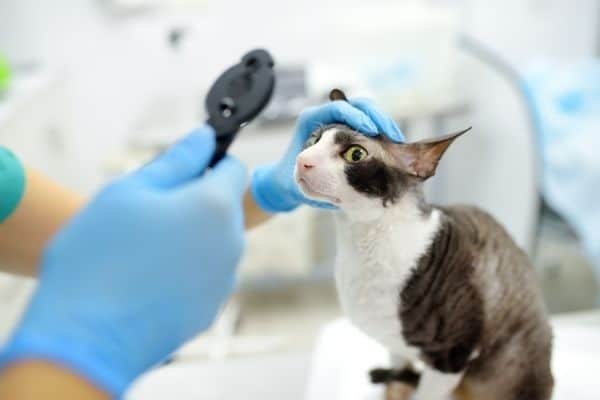
- Eyes, ears, and mouth
- Abdomen
- Mobility and joints
- Overall comfort level
This comprehensive assessment helps determine the next steps.
Diagnostic Tools That Improve Decision Making
Depending on your pet’s symptoms, your veterinarian may recommend diagnostic testing to confirm a diagnosis rather than relying solely on visible signs.
Possible diagnostic services include:
- Blood testing
- Urinalysis
- Digital X rays
- Ultrasound imaging
- Microscopic evaluation of skin or ear samples
These tools provide important medical information that guides accurate treatment recommendations.
Conditions Commonly Managed Through Urgent Veterinary Visits
Many pets benefit from prompt evaluation for conditions such as:
Digestive Disorders
Vomiting, diarrhea, reduced appetite, or abdominal discomfort often require professional assessment to determine the underlying cause.
Minor Injuries
Sprains, paw injuries, broken nails, and superficial wounds can cause considerable discomfort and should be examined before complications develop.
Skin and Ear Conditions
Persistent scratching, ear discomfort, hot spots, or allergic reactions often respond more effectively when treated early.
Respiratory Concerns
Mild coughing, sneezing, or nasal discharge may indicate infections or irritation that benefit from veterinary evaluation.
Helping Your Pet Recover at Home
Following your veterinarian’s instructions after the visit is just as important as the examination itself.
Recovery may include:
- Administering medications as directed
- Encouraging rest
- Monitoring eating and drinking habits
- Limiting strenuous activity when recommended
- Returning for follow up evaluations if necessary
Careful observation at home allows your veterinary team to adjust treatment if symptoms change.
Prompt Care Can Make a Meaningful Difference
Seeking veterinary attention before a health concern progresses often leads to more efficient diagnosis and treatment. Acting early not only helps relieve discomfort but also gives veterinarians more opportunities to manage the condition effectively.
If you are from Arvada and looking for urgent pet care, choosing a clinic that offers prompt evaluations and advanced diagnostic capabilities can help your pet receive the care they need without unnecessary delays.
At Indian Tree Animal Hospital, our experienced veterinary team is committed to providing compassionate evaluations, personalized treatment plans, and high quality medical care to help pets recover comfortably.
Schedule Your Online Appointment
If your pet is showing unexpected signs of illness or discomfort, schedule an online appointment today. Early evaluation allows our veterinary team to identify health concerns and recommend the most appropriate treatment plan.
Call Our Team Today
Have questions about your pet’s symptoms? Call our team at 303-420-4422 to speak with a member of our staff or schedule an appointment.
Frequently Asked Questions
Q1. How do I know if my pet should visit urgent care instead of waiting for a routine appointment?
If your pet has persistent vomiting, diarrhea, limping, eye irritation, ear discomfort, wounds, or noticeable behavioral changes, prompt veterinary evaluation is recommended. A veterinarian can determine whether the condition requires treatment or additional diagnostic testing.
Q2. Will every urgent care visit include diagnostic testing?
Not always. The veterinarian first performs a complete physical examination and reviews your pet’s history. Diagnostic tests are recommended only when they provide valuable information for reaching an accurate diagnosis and developing an effective treatment plan.
Q3. Can urgent care treat both dogs and cats?
Yes. Veterinary teams routinely evaluate both dogs and cats for a wide variety of illnesses and injuries. Each treatment plan is tailored to the individual pet’s species, age, medical history, and current condition.
Q4. What information should I bring to the appointment?
Bring details about your pet’s symptoms, current medications, previous medical history, dietary changes, and any recent injuries or unusual exposures. This information helps your veterinarian perform a more complete evaluation.
Q5. Why is early evaluation important for non critical illnesses?
Many seemingly minor conditions can worsen if left untreated. Prompt veterinary assessment allows treatment to begin earlier, helps reduce discomfort, and may prevent more complicated health issues from developing.