
7778 Vance Dr. Arvada, CO 80003
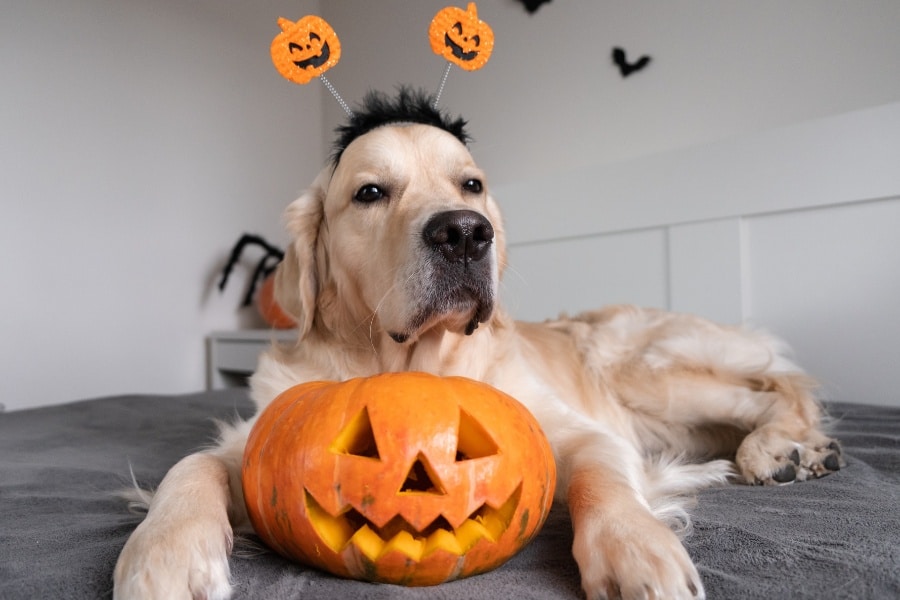
Autumn brings cooler temperatures, colorful leaves, and exciting Halloween celebrations for families and their pets. Many dog owners enjoy dressing their companions in festive outfits for photographs, neighborhood walks, and seasonal gatherings. However, when cold weather and Halloween costumes come together, it is important to consider how both can affect a dog’s comfort, movement, and ability to regulate body temperature.
For pet owners in Arvada, changing autumn weather can make outdoor activities less predictable. If you are searching for a veterinarian near me, understanding how temperature, clothing, and your dog’s individual needs interact can help you make safer choices throughout the season.
Although a costume may look warm and cozy, it does not automatically provide suitable protection against cold conditions. Some outfits trap moisture, restrict movement, or make it harder to notice signs that a dog is uncomfortable. By choosing appropriate clothing and monitoring your pet carefully, you can enjoy Halloween while keeping your dog’s well-being a priority.
How Cold Weather Affects Your Dog
Dogs respond to cold weather differently depending on their breed, size, coat, age, body condition, and overall health. A thick-coated dog may remain comfortable during a cool walk, while a short-haired or small dog may begin shivering much sooner.
Puppies and senior dogs can also have more difficulty maintaining a comfortable body temperature. Dogs with certain health conditions may be particularly sensitive to cold, even during relatively short outdoor activities.
Wind, rain, snow, and damp fur can make chilly conditions feel more uncomfortable. A dog that becomes wet may lose body heat more quickly, especially when temperatures drop.
Watch your pet for signs such as shivering, lifting paws off the ground, slowing down, seeking shelter, or repeatedly trying to return indoors. These behaviors may indicate that your dog needs a break from the cold.
Avoid assuming that every dog can tolerate the same temperature. Your pet’s behavior and individual needs are more useful guides than a single temperature reading.
Can Halloween Costumes Keep Dogs Warm?
Some dog clothing can provide an additional layer of warmth, but Halloween costumes are not necessarily designed for cold-weather protection. Their primary purpose is usually appearance rather than insulation, moisture control, or outdoor comfort.
A lightweight costume may offer little protection during a chilly evening walk. Conversely, a thick or padded outfit may cause overheating when your dog runs, plays, or spends time in a heated indoor environment.
Costumes can also become uncomfortable when they fit poorly. Tight fabric around the chest or neck may restrict movement, while loose material can catch on branches, furniture, or leash attachments.
Before choosing Halloween clothing, consider the conditions in which your dog will wear it. A costume suitable for a brief indoor photograph may not be appropriate for a long outdoor walk.
If your dog needs extra warmth, a properly fitted dog coat designed for cold weather may be more practical than a decorative costume. You can still celebrate Halloween with a simple accessory, such as a lightweight bandana, if your pet tolerates it comfortably.
Choosing a Comfortable Halloween Costume
A safe costume should allow your dog to walk, sit, lie down, breathe, and move naturally. Comfort matters more than an elaborate design.
Select the Right Fit
Check the neck, chest, abdomen, and leg openings before putting a costume on your dog. The outfit should not press tightly against the body or interfere with normal movement.
Avoid long sleeves, oversized capes, and dangling pieces that could become tangled during play. Make sure your dog can use the bathroom without the costume getting in the way.
Choose Suitable Materials
For indoor celebrations, lightweight and breathable materials may help reduce excess warmth. If the weather is cold, wet, or windy, consider whether your dog needs a separate protective layer instead of relying on the costume.
Avoid materials that become heavy when wet or trap excessive heat during activity. Check the inside of the garment for rough seams, loose threads, and decorative parts that may irritate the skin.
Keep the Face Uncovered
Never use a costume that blocks your dog’s eyes, nose, or mouth. Dogs need clear vision and unrestricted breathing to move safely and respond to their surroundings.
Avoid masks, tight hoods, and accessories that interfere with hearing or awareness. Remove any item that causes your dog to scratch repeatedly, freeze, or struggle.
Inspect Accessories
Buttons, plastic decorations, ribbons, and small attachments can become choking hazards if chewed or swallowed. Check the costume before each use and remove damaged pieces.
Always supervise your dog while wearing a costume. Do not leave a dressed pet unattended, particularly if the outfit contains straps, strings, or detachable accessories.
Recognizing Signs of Discomfort in Cold Weather
Dogs communicate discomfort through changes in their behavior and body language. Recognizing these signs early helps you respond before a minor issue becomes more serious.
Shivering is one possible indication that a dog is cold, although it can also occur with fear, pain, or illness. Other signs may include a hunched posture, tucked tail, reluctance to walk, lifting paws, or repeatedly seeking warmth.
If your dog seems uncomfortable outdoors, move to a warmer, sheltered location and remove any wet clothing. Dry your pet gently and allow it to warm up gradually.
Prolonged exposure to cold can contribute to hypothermia, a condition in which body temperature drops to an unsafe level. Warning signs may include weakness, confusion, reduced responsiveness, or slow and shallow breathing. These symptoms require immediate veterinary attention.
Frostbite can also affect exposed areas such as ear tips, paws, and the tail during very cold conditions. Skin may appear pale or discolored, swollen, or painful. Contact a veterinarian if you suspect cold-related injury.
Preventing Overheating While Wearing Costumes Indoors
Cold weather outdoors does not eliminate the risk of overheating indoors. Homes, party venues, and crowded gatherings may become warm, especially when several people are present.
A thick costume can trap body heat while your dog plays or becomes excited. Dogs primarily cool themselves through panting, so heavy clothing may make it harder for them to remain comfortable.
Watch for excessive panting, unusual drooling, restlessness, or repeated attempts to remove the outfit. If you notice these signs, remove the costume and move your dog to a cooler, well-ventilated area.
Provide access to fresh water and allow your pet to rest. If panting continues or your dog develops weakness, vomiting, confusion, or difficulty breathing, contact a veterinarian promptly. Severe symptoms require immediate veterinary attention.
Keep costume sessions brief, especially when your dog is unfamiliar with wearing clothing. A few minutes for photographs may be more comfortable than keeping the outfit on throughout an entire gathering.
Preparing Your Dog for Halloween Walks in Arvada
Autumn weather can change quickly, so check local conditions before heading outside with your dog. Consider wind, precipitation, ground conditions, and how long you expect to be outdoors.
Choose a route that allows you to return home easily if your dog becomes cold or uncomfortable. Shorter walks may be more appropriate for small dogs, short-coated breeds, puppies, and senior pets during chilly weather.
If your dog wears a costume outdoors, make sure it does not interfere with the leash, harness, or identification tags. Reflective details can improve visibility during darker evenings, but they should never restrict movement.
Check your dog’s paws after walks for ice, packed snow, grit, or irritation. Wipe them gently when you return indoors, and dry damp fur before your pet settles down.
Most importantly, let your dog’s comfort determine the length of the outing. If your companion appears reluctant to continue, head inside rather than encouraging it to remain outside for photographs or festivities.
Make Halloween Comfortable With Guidance From Indian Tree Animal Hospital
Halloween costumes and chilly autumn weather can be part of a fun seasonal experience when your dog’s comfort comes first. Choosing suitable clothing, checking the weather, supervising costume use, and recognizing signs of cold stress or overheating can help you plan safer activities.
If your dog is unusually sensitive to cold, struggles with clothing, or shows signs of discomfort during seasonal outings, contact Indian Tree Animal Hospital in Arvada for advice tailored to your pet’s needs.
If you are looking for a veterinarian visit the Indian Tree Animal Hospital website or contact the clinic to ask about appointment options and scheduling. A little preparation can help your dog enjoy the season while staying comfortable, protected, and ready for many more autumn adventures.
Frequently Asked Questions
Q1. Can a Halloween costume keep my dog warm during an autumn walk?
Ans: Some costumes provide a light layer, but many are designed mainly for appearance. For chilly or wet weather, a properly fitted dog coat designed for outdoor protection may be more suitable.
Q2. Which dogs are more sensitive to cold weather?
Ans: Small dogs, short-haired breeds, puppies, senior dogs, and pets with certain health conditions may be more sensitive to cold. Monitor your dog’s behavior and adjust outdoor activities to its individual needs.
Q3. How can I tell if my dog is too cold while wearing a costume?
Ans: Shivering, lifting paws, slowing down, hunching, or trying to return indoors can indicate discomfort. Move your dog to a sheltered, warmer place and remove wet clothing if needed.
Q4. Can my dog overheat in a costume inside the house?
Ans: Yes. Thick clothing, warm rooms, and physical activity can contribute to overheating. Watch for excessive panting, drooling, and restlessness, and remove the costume if your dog appears uncomfortable.
Q5. When should I contact a veterinarian about cold-weather discomfort?
Ans: Contact a veterinarian if your dog has persistent shivering, unusual pain, or signs of cold-related injury. Weakness, confusion, reduced responsiveness, or abnormal breathing require immediate veterinary attention.