7778 Vance Dr. Arvada, CO 80003
Your pet’s dental health plays an important role in overall well-being. Dogs and cats use their teeth and gums every day to eat, chew, groom, and explore their surroundings. However, dental concerns can develop gradually, and many pets continue eating even when their mouths are uncomfortable. As a result, owners may not recognize a problem until it becomes more advanced.
A pet dental problem can involve the teeth, gums, tongue, or surrounding oral tissues. Some conditions begin with mild plaque buildup, while others may cause significant pain, infection, or tooth loss if left untreated. Regular oral examinations and appropriate home care can help identify concerns before they interfere with your companion’s daily routine.
Understanding common dental conditions also helps you recognize when it is time to consult a pet dentist. Here are ten dental problems that dog and cat owners should know about.
1. Plaque and Tartar Buildup
Plaque is a soft film of bacteria, food particles, and saliva that collects on tooth surfaces. If it is not removed regularly, minerals in saliva can harden it into tartar, also called dental calculus.
Tartar often appears as a yellow or brown deposit near the gumline. It can create a rough surface where additional plaque accumulates, increasing the risk of gum irritation and periodontal disease.
Common signs include:
- Yellow or brown deposits on teeth
- Persistent bad breath
- Visible buildup near the gums
- Redness along the gumline
Professional dental cleaning can remove accumulated tartar, while regular brushing helps control new plaque formation.
2. Gingivitis
Gingivitis is inflammation of the gums, commonly associated with plaque accumulation. It is an early stage of gum disease and may be reversible with appropriate dental care.
Pets with gingivitis may have red, swollen, or sensitive gums. Some may show mild bleeding during chewing or when their teeth are examined.
Because gingivitis can progress if plaque remains untreated, it is important to arrange a dental assessment when gum inflammation appears. A veterinarian can evaluate the severity and recommend appropriate cleaning and home-care measures.
3. Periodontal Disease
Periodontal disease affects the tissues supporting the teeth, including the gums, ligaments, and surrounding bone. It often develops when untreated gingivitis progresses and bacteria accumulate beneath the gumline.
As the supporting structures become damaged, teeth may loosen and eventually fall out. Advanced periodontal disease can also cause pain, infection, and difficulty eating.
Possible warning signs include:
- Persistent unpleasant breath
- Receding or bleeding gums
- Loose or missing teeth
- Dropping food while eating
- Reluctance to chew
- Facial sensitivity or swelling
A professional dental examination is important because significant disease can exist below the gumline even when the visible teeth appear relatively normal.
4. Broken or Fractured Teeth
Dogs and cats can fracture their teeth by chewing hard objects, experiencing trauma, or biting something that places excessive pressure on a tooth.
Common causes include hard bones, antlers, very hard chew toys, and accidental injuries. A fractured tooth may expose sensitive inner structures, including the pulp, which contains nerves and blood vessels.
Signs may include a visibly chipped tooth, chewing on one side, dropping food, pawing at the mouth, or avoiding hard treats. Some pets show very few outward symptoms despite having a painful fracture.
A veterinarian should examine any damaged tooth. Depending on the extent of the injury, treatment may involve extraction or specialized dental procedures to preserve the tooth.
5. Tooth Resorption in Cats
Tooth resorption is a painful condition commonly seen in cats. It occurs when the body gradually breaks down a tooth’s structure. The process can affect the crown, root, or both.
Early changes are often difficult for owners to notice because the affected area may be hidden near the gumline. As the condition progresses, a cat may experience significant discomfort.
Possible signs include:
- Dropping food while chewing
- Chewing on one side of the mouth
- Excessive drooling
- Jaw chattering when the affected tooth is touched
- Reluctance to eat dry food
- Irritability during facial handling
Dental X-rays are often necessary to identify the extent of tooth resorption because changes may occur below the visible gumline. Treatment commonly involves removing affected teeth to relieve discomfort.
6. Retained Baby Teeth
Puppies and kittens develop temporary baby teeth that should eventually fall out as permanent teeth emerge. Sometimes, a baby tooth remains in place even after its adult replacement begins growing.
This is known as a retained deciduous tooth. It is particularly common in smaller dog breeds, although cats can also experience it.
When both teeth occupy the same space, crowding can occur. Food and debris may become trapped between them, increasing the risk of gum inflammation and abnormal tooth positioning.
Owners may notice two teeth appearing close together in one location, especially around the canine teeth. Veterinary assessment helps determine whether the retained tooth should be removed to protect normal dental development.
7. Malocclusion or Misaligned Teeth
Malocclusion describes an abnormal relationship between the upper and lower teeth when the mouth closes. It may result from differences in jaw length, inherited anatomy, or abnormal tooth positioning.
Some mild alignment differences do not cause discomfort. However, more severe cases can lead to teeth contacting the gums, lips, or roof of the mouth.
Signs may include difficulty picking up food, unusual tooth wear, oral sores, or discomfort while chewing.
A veterinary dental examination can determine whether the alignment affects normal function. Treatment depends on the individual condition and may involve monitoring, extraction, or other corrective dental care.
8. Oral Infections and Dental Abscesses
Bacteria can enter damaged dental tissues and cause infection. A dental abscess may develop when infection reaches the root of a tooth or surrounding tissues.
Pets with an abscess may experience pain, swelling, and changes in eating behavior. In some cases, swelling appears beneath the eye, particularly when an upper tooth is involved.
Other signs include:
- Facial swelling or tenderness
- Bad breath
- Reduced appetite
- Drooling
- Discharge near the mouth
- Sensitivity when chewing
An abscess requires veterinary attention. Treatment may involve addressing the affected tooth, managing the infection, and providing appropriate pain relief.
9. Stomatitis in Cats
Feline stomatitis is a severe inflammatory condition affecting the tissues inside a cat’s mouth. The inflammation may involve the gums and other oral surfaces, sometimes extending toward the back of the mouth.
Affected cats can experience considerable discomfort, even when the visible amount of tartar seems limited. The exact cause is complex and may involve an abnormal immune response to oral bacteria.
Common signs include drooling, difficulty eating, pawing at the mouth, reduced grooming, weight loss, and irritability.
Treatment depends on the severity of inflammation and may involve dental procedures, medication, and ongoing veterinary monitoring. Some cats require extensive tooth removal to achieve better comfort.
10. Oral Growths and Tumors
Unusual lumps or growths can develop on a pet’s gums, tongue, lips, or other oral tissues. Some are benign, while others may be cancerous.
An oral growth may initially look like a small bump or thickened area. As it develops, it can interfere with chewing, swallowing, or normal mouth movement.
Watch for unexplained bleeding, persistent swelling, loose teeth, difficulty eating, or a visible mass inside the mouth.
A veterinarian should examine any unusual oral growth. Depending on its appearance and location, further testing or a biopsy may be recommended to determine its nature and guide treatment.
When Should You Visit a Pet Dentist?
Pets often hide signs of oral discomfort, so changes in everyday behavior deserve attention. Bad breath, reduced interest in hard food, excessive drooling, pawing at the mouth, and visible gum changes can all indicate a dental concern.
Routine oral examinations help identify problems that may not be obvious at home. Your veterinarian may recommend a professional dental cleaning, dental X-rays, or other treatment based on the findings.
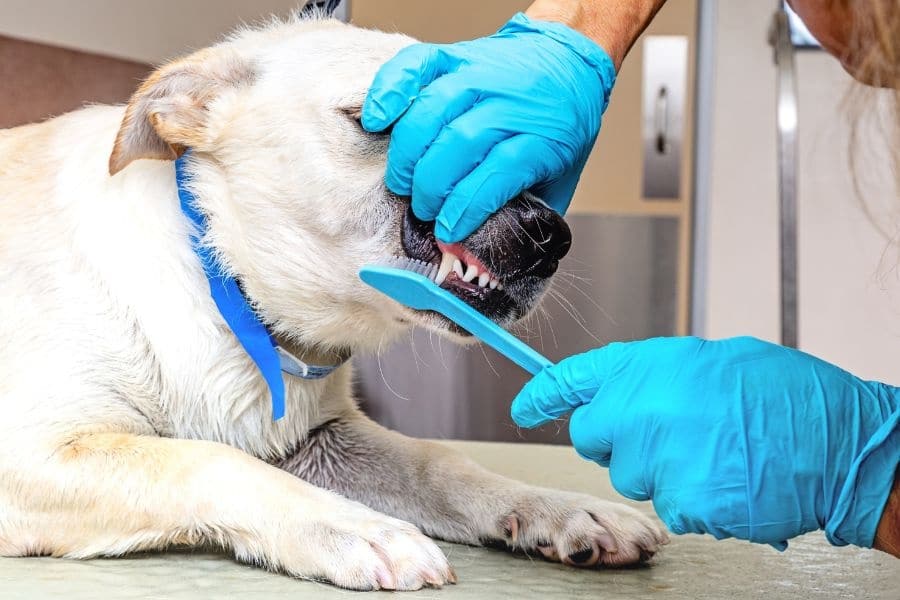
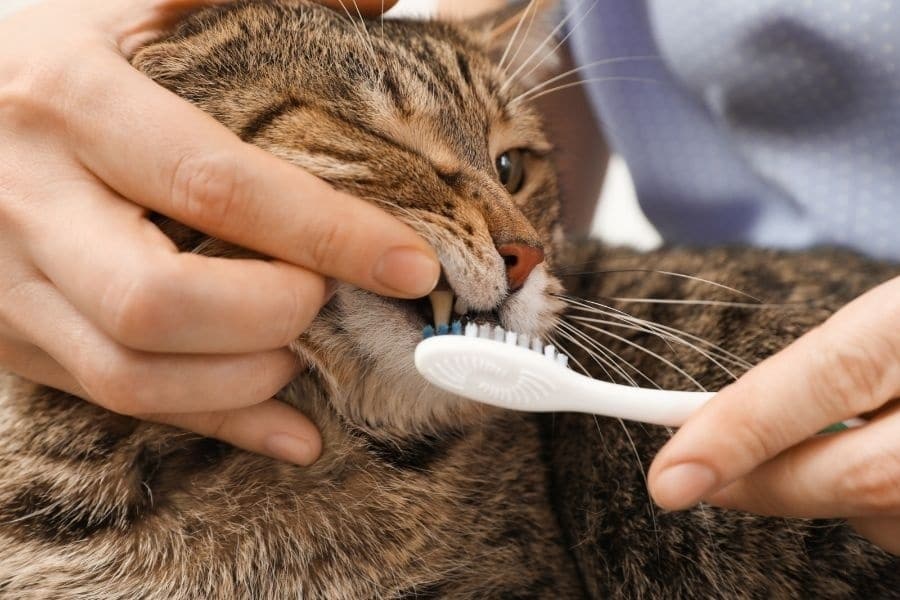
At home, brushing with pet-specific toothpaste can help control plaque. Avoid human toothpaste and do not use hard objects as chew toys to clean your pet’s teeth. Dental products should be selected according to your veterinarian’s recommendations.
Schedule a Pet Dentistry Appointment at Indian Tree Animal Hospital
Dental problems can affect your pet’s comfort, appetite, and quality of life. Recognizing early signs and arranging regular oral examinations can help prevent minor concerns from becoming more complicated.
If your dog or cat has persistent bad breath, gum redness, damaged teeth, or changes in eating habits, schedule a pet dentistry appointment at Indian Tree Animal Hospital in Arvada. Our veterinary team can assess your companion’s oral health, discuss suitable treatment options, and help you establish a practical dental care routine.
Frequently Asked Questions
Q1. What is the most common dental problem in dogs and cats?
Ans: Plaque buildup and periodontal disease are among the most common dental concerns in dogs and cats. Without regular oral care, plaque can harden into tartar and contribute to gum inflammation and damage to the tissues supporting the teeth.
Q2. Can my pet have dental disease even if it eats normally?
Ans: Yes. Many pets continue eating despite oral discomfort. They may chew on one side, swallow food with less chewing, or gradually change their eating habits. A veterinary dental examination can identify problems that are not obvious at home.
Q3. How often should my pet have a dental examination?
Ans: Dental health should be assessed during routine veterinary visits. The appropriate examination and professional cleaning schedule depends on your pet’s age, breed, oral health, and risk factors.
Q4. Can I brush my dog’s or cat’s teeth with human toothpaste?
Ans: No. Human toothpaste is not designed to be swallowed by pets and may contain ingredients unsuitable for them. Use toothpaste formulated specifically for dogs or cats and introduce brushing gradually.
Q5. Are dental X-rays necessary for pets?
Ans: Dental X-rays can reveal problems below the gumline, including tooth root changes, hidden fractures, and tooth resorption. Your veterinarian may recommend them when evaluating oral health or planning dental treatment.