7778 Vance Dr. Arvada, CO 80003
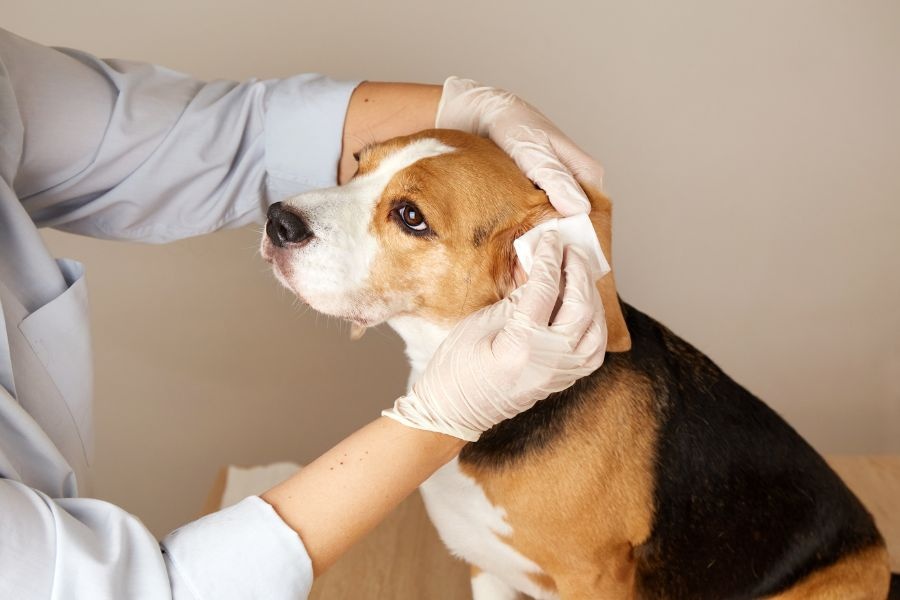
When a dog or cat develops unusual health symptoms, a physical examination can provide valuable clues, but it may not always reveal the complete picture. Some conditions affect the body’s internal functions, while others create physical changes that can be seen through diagnostic imaging. In these situations, veterinarians may recommend both bloodwork and imaging to investigate different aspects of a pet’s health.
These diagnostic methods are not necessarily competing choices. Instead, they can complement each other. Bloodwork can provide information about internal processes, while imaging can help veterinarians examine structures within the body. Looking at both types of information can support a more complete approach to pet diagnostic care.
For pet owners in Arvada, understanding why multiple diagnostic methods may be recommended can make the testing process easier to understand.
Bloodwork and Imaging Answer Different Questions
One of the simplest ways to understand the value of both tests is to recognize that they provide different kinds of information.
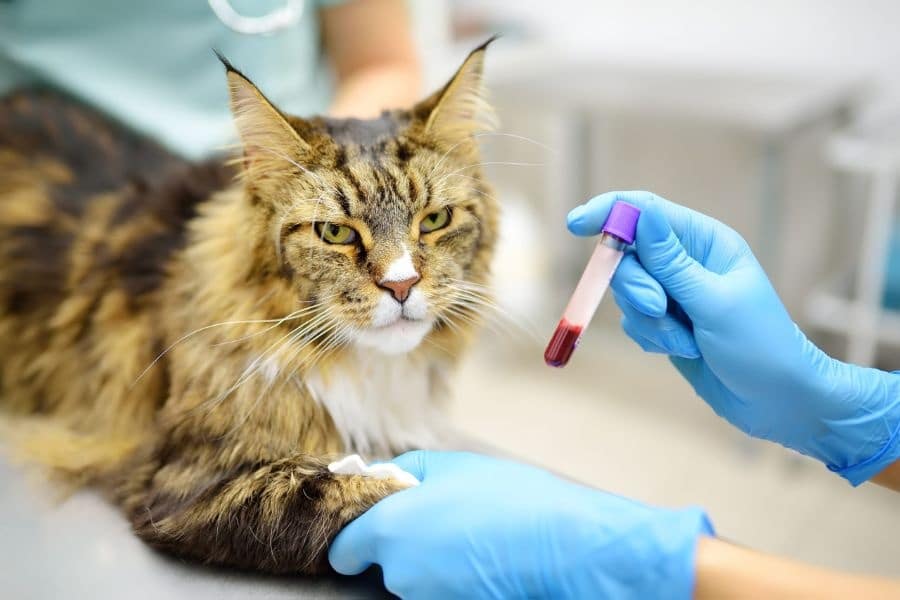
Bloodwork can provide information about blood cells, organ function, hydration, and certain metabolic changes. Imaging, on the other hand, can show physical structures and help identify changes involving areas such as the abdomen, chest, bones, or other parts of the body.
A pet may have an abnormality that affects an organ’s function without producing an obvious structural change. Another pet may have a physical abnormality that cannot be fully explained through laboratory results alone.
Using both approaches allows veterinarians to investigate these different possibilities.
A Physical Examination Helps Guide the Diagnostic Plan
Diagnostic testing usually begins with a physical examination and review of the pet’s medical history. The veterinarian may evaluate the heart, lungs, abdomen, skin, coat, mouth, movement, body condition, and overall behavior.
These findings can help determine what questions need to be answered.
For example, abdominal discomfort may encourage the veterinarian to consider bloodwork along with abdominal imaging. Changes in breathing may lead to laboratory evaluation as well as imaging of the chest.
The goal is to select tests based on the individual pet rather than automatically performing every available test.
What Bloodwork Can Reveal
Bloodwork can provide information that cannot be obtained simply by observing a pet.
Depending on the tests selected, laboratory results may help evaluate blood cell levels, organ function, hydration, or metabolic processes. These findings can help a veterinarian determine whether certain body systems may need closer attention.
Bloodwork can also provide information before additional diagnostic steps are considered.
For instance, if laboratory findings suggest that an organ needs further evaluation, imaging may help the veterinarian look for physical changes involving that organ. In this way, one test can provide information that influences what comes next.
What Imaging Can Show
Imaging provides another perspective by allowing veterinarians to evaluate internal structures.
Depending on the symptoms and clinical findings, imaging may help examine the abdomen, chest, bones, joints, or other areas. It can sometimes identify changes that would not be apparent through bloodwork.
For example, a pet experiencing digestive symptoms may have bloodwork that provides information about internal function while imaging helps examine the physical appearance of abdominal structures.
Neither method necessarily provides the complete answer by itself. Their value can increase when the findings are considered together.
Some Problems Affect Both Function and Structure
Certain health concerns can involve changes in how an organ functions as well as changes in its physical appearance.
This is one reason veterinarians may recommend both bloodwork and imaging. Laboratory testing can provide information about function, while imaging can help assess structure.
When these findings point in the same direction, the veterinarian may have stronger evidence to support a particular diagnostic consideration. If the findings do not match, that can also be useful because it may indicate that additional investigation is needed.
The purpose of testing is therefore not simply to collect results. It is to understand what those results mean in relation to the pet’s symptoms and examination.
One Test May Lead to Another
Diagnostic care is often a step by step process. A veterinarian may begin with an initial examination and one or more appropriate tests. The findings can then determine whether additional evaluation would be useful.
For example, bloodwork may reveal an unexpected change that prompts imaging. In another situation, an imaging finding may lead the veterinarian to recommend laboratory testing to better understand its significance.
This approach allows testing to become more focused as information is gathered.
When Advance Testing May Be Considered
Routine bloodwork and common imaging methods can provide valuable information, but some cases require more detailed evaluation.
If initial results do not fully explain the symptoms, the veterinarian may consider advance testing. This can involve more specialized diagnostic methods selected according to the health concern being investigated.
Advance testing is not automatically necessary simply because a pet has symptoms. The decision depends on factors such as the physical examination, medical history, initial test results, age, and progression of the concern.
When recommended, the purpose should be to obtain information that could not be adequately provided through the initial diagnostic approach.
Comparing Results Creates a Larger Picture
A single test result can sometimes be difficult to interpret without context. This is why veterinarians consider results alongside other findings.
Imagine a pet with reduced appetite and lower energy. Bloodwork may identify an internal change, while imaging may provide information about physical structures. The veterinarian can compare those findings with the pet’s symptoms and examination results.
If the findings support one another, they may help narrow the diagnostic possibilities. If they do not, the veterinarian may reassess the situation and determine what additional information is needed.
This combined approach is a central part of effective pet diagnostic care.
Previous Results Can Also Be Important
A pet’s earlier diagnostic results can provide useful context when new testing is performed.
A veterinarian may compare current bloodwork with previous laboratory results to identify trends. Previous imaging can also help determine whether a physical finding is new, stable, or changing.
This is particularly useful for pets with ongoing health concerns or a history of previous diagnostic evaluation.
Pet owners can help by keeping veterinary records and sharing information about previous tests whenever possible. Even older results may provide useful context for interpreting new findings.
Symptoms and Test Results Must Be Considered Together
Diagnostic testing should never be viewed in isolation. A laboratory value or imaging finding needs to be considered alongside the pet’s actual symptoms and clinical history.
Two pets can have similar test results but different symptoms and different health histories. Their diagnostic plans may therefore be different.
The veterinarian considers the complete picture before deciding what the findings mean and whether treatment, monitoring, repeat testing, or additional evaluation may be appropriate.
When Both Tests Provide Valuable Information
There are situations where bloodwork and imaging are particularly complementary. A pet with unexplained weight changes, persistent digestive concerns, unusual tiredness, abdominal changes, or other ongoing symptoms may require more than one diagnostic perspective.
Bloodwork can help investigate internal function, while imaging can help evaluate physical structures. Together, these methods can give the veterinarian more information to work with.
This does not mean every symptom requires extensive testing. Instead, it highlights why diagnostic recommendations should be based on the individual patient’s needs.
Pet Diagnostic Care in Arvada
At Indian Tree Animal Hospital in Arvada, diagnostic evaluation can involve different methods depending on your pet’s symptoms, medical history, physical examination, and previous results.
If your dog or cat has developed changes in appetite, activity, weight, digestion, breathing, behavior, or other areas of daily life, sharing these details with your veterinarian can help guide the diagnostic process.
When both bloodwork and imaging are recommended, each test may have a specific purpose. Understanding that purpose can help pet owners feel more informed about their companion’s care and the reasons behind the recommended diagnostic plan.
Schedule a Veterinary Evaluation
If your pet has ongoing or unexplained health changes, contact Indian Tree Animal Hospital to schedule an appointment or use the clinic’s online booking option. A thorough veterinary evaluation can help determine whether diagnostic testing may be appropriate.
Bring information about your pet’s symptoms, previous health concerns, medications, and any changes you have noticed at home. These details can help your veterinarian determine which diagnostic steps may provide useful information.
Frequently Asked Questions
Q1. Why would a veterinarian recommend both bloodwork and imaging?
Ans: Bloodwork and imaging provide different types of information. Bloodwork can help evaluate internal functions and certain laboratory changes, while imaging can help examine physical structures. Using both can provide a broader view of a pet’s health.
Q2. Does my pet always need bloodwork before imaging?
Ans: Not necessarily. The appropriate testing sequence depends on the pet’s symptoms, physical examination, medical history, and the specific diagnostic questions the veterinarian needs to answer.
Q3. What can bloodwork tell a veterinarian about my pet?
Ans: Depending on the tests performed, bloodwork can provide information about blood cells, organ function, hydration, and metabolic processes. The veterinarian interprets these findings in the context of the pet’s overall health.
Q4. What does imaging help veterinarians evaluate?
Ans: Imaging can help veterinarians examine internal structures and identify physical changes involving areas such as the abdomen, chest, bones, or joints, depending on the imaging method used.
Q5. When might advance testing be recommended for a pet?
Ans: Advance testing may be considered when initial diagnostic results do not fully explain the pet’s symptoms or when more specialized information is needed. The veterinarian determines whether it is appropriate based on the individual case.